
Choosing a cancer screening center in Haryana requires understanding equipment specifics — AERB licensing, PET-CT scanner generation, and 3D mammography capabilities — rather than relying on hospital reputation alone.
This guide examines equipment verification criteria across government day-care programs, private tertiary hospitals, and standalone diagnostic chains to help you compare turnaround times and multi-modality coordination.
Key Takeaways
- Digital TOF PET-CT scanners improve lesion detection by up to 40% compared to non-TOF systems — verify AERB licensing before booking
- 3D mammography (tomosynthesis) reduces false positives by 15-20% and increases cancer detection rates by 20-65% in dense breast tissue
- In-house multi-modality coordination (PET-CT, MRI, IHC pathology) enables same-week tumor board review versus 7-10 day delays at separate facilities
- Government day-care centers offer free screening but limited PET-CT access — private centers provide faster turnaround at higher cost
- Same-day to 48-hour reporting requires on-site nuclear medicine physicians and NABL-accredited pathology labs
What Advanced Diagnostic Equipment Should You Look for in a Cancer Screening Center?
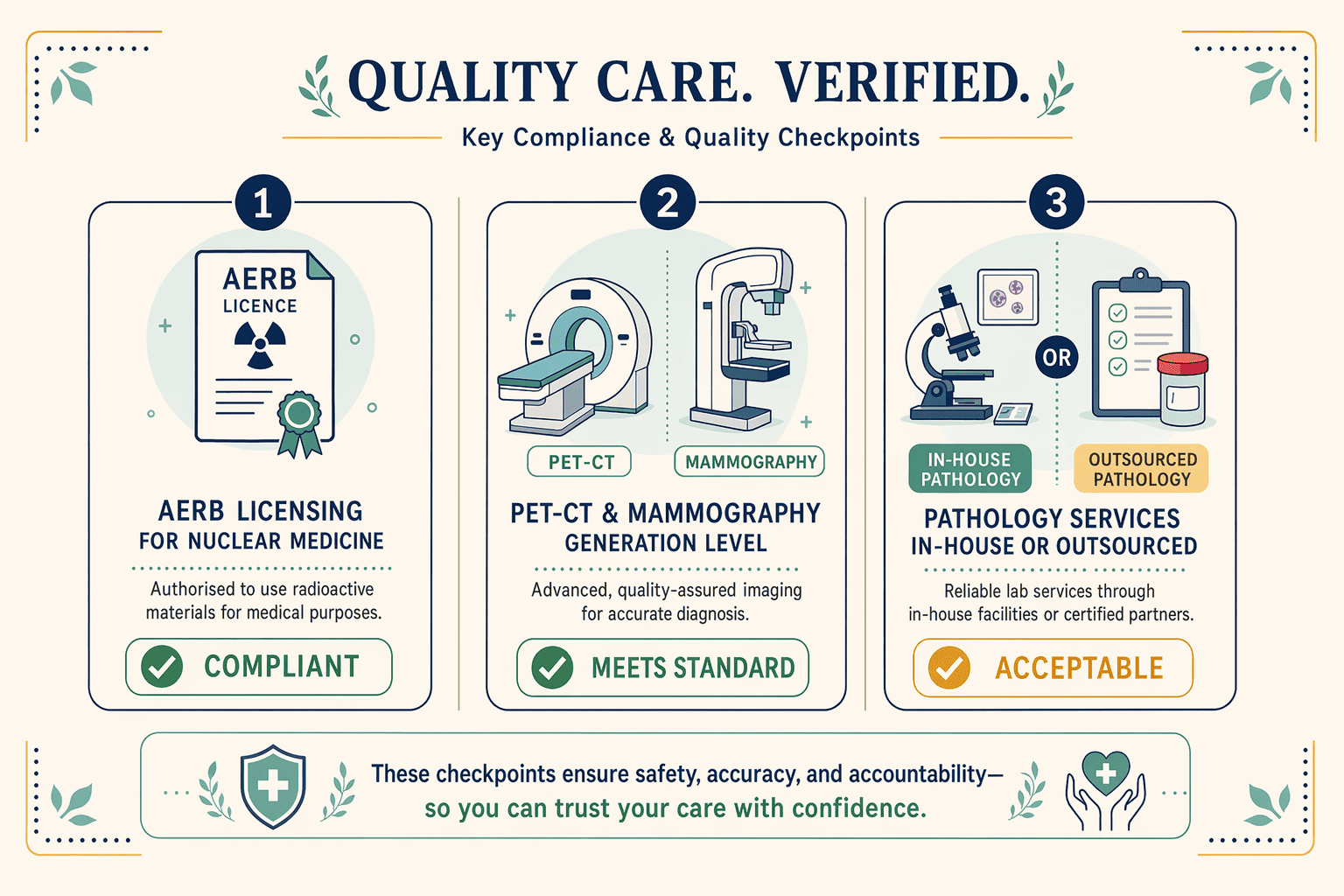
When evaluating cancer screening centers in Haryana, verify three infrastructure markers before booking: AERB (Atomic Energy Regulatory Board) licensing for nuclear medicine facilities, the generation of PET-CT and mammography systems (not just their presence), and whether pathology services operate in-house or through outsourced laboratories. These technical specifications determine detection accuracy for early-stage disease — particularly for lesions under 1 cm that older equipment may miss.
Pet-Ct Scanner Generation and Digital TOF Technology
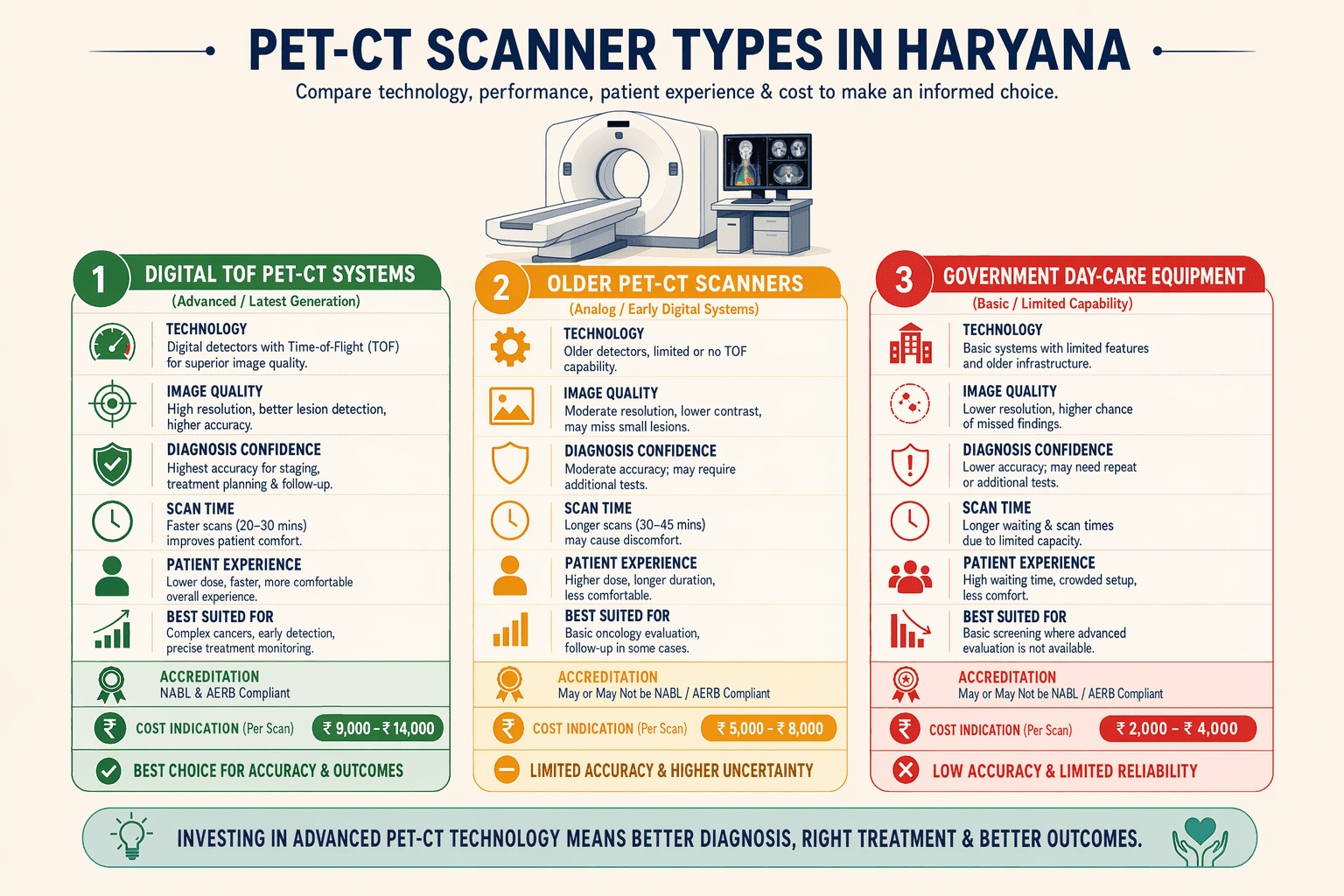
Digital time-of-flight (TOF) technology in newer-generation PET-CT scanners improves signal-to-noise ratio by up to 40% compared to non-TOF systems, enabling radiologists to detect metabolically active lesions as small as 4-5 mm. Ask whether the center operates a current-generation scanner, systems like the GE Discovery IQ series incorporate digital detector arrays that reduce false negatives in lung nodules and lymph node metastases. Older analog PET-CT machines may miss early-stage findings that digital TOF platforms routinely flag.
Mammography Standards: 3D Tomosynthesis Vs 2D Systems
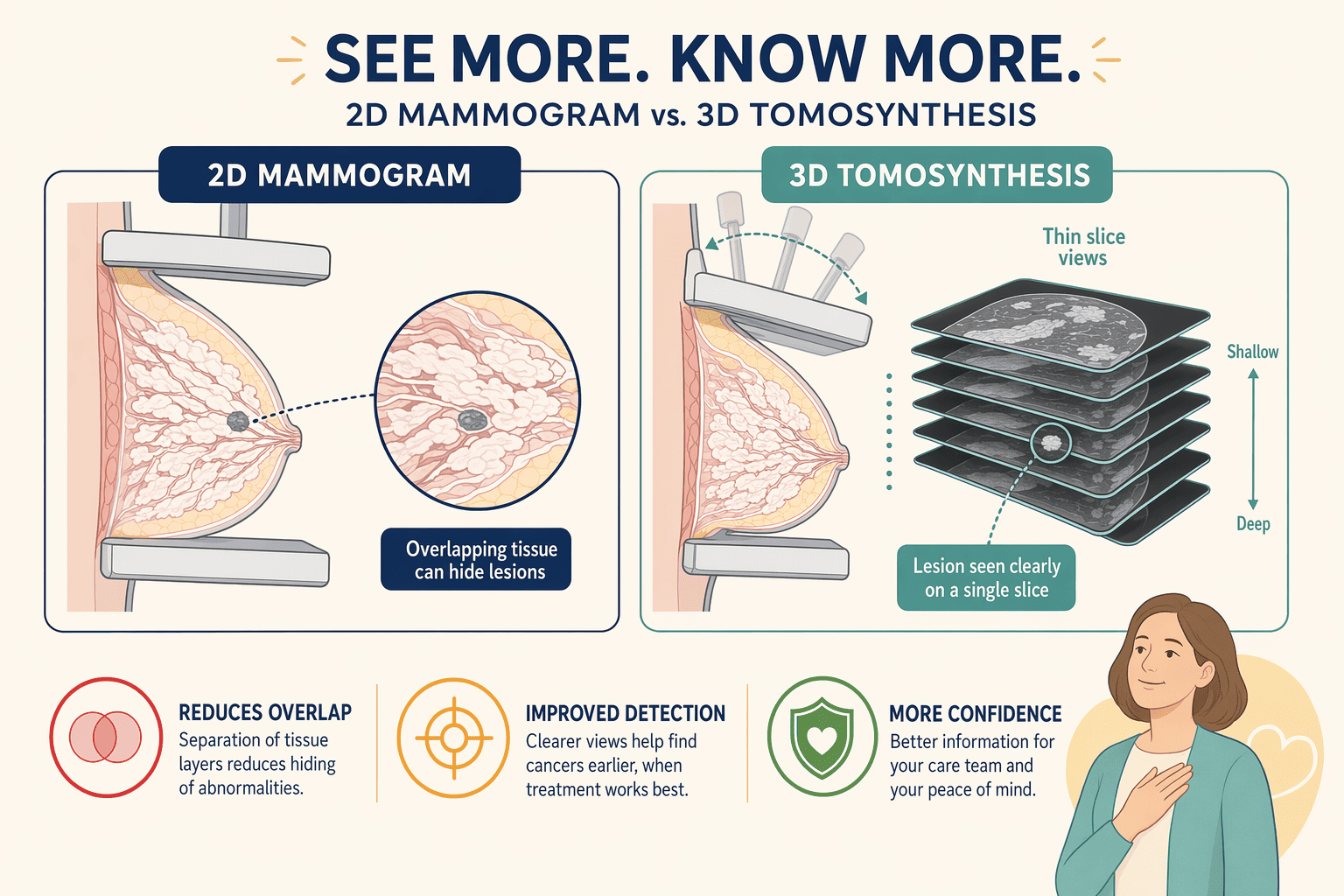
3D full-field digital mammography (tomosynthesis) reduces false positives by 15-20% and increases cancer detection rates by approximately 20-65% in dense breast tissue compared to conventional 2D systems. Tomosynthesis acquires multiple low-dose X-ray slices through the breast, eliminating tissue overlap that obscures small masses on standard mammograms. Centers offering only 2D mammography may recall patients for additional views more frequently, driving up anxiety and cost without improving early detection rates.
Multi-Modality Coordination: MRI, Ultrasound, and Pathology Under One Roof
In-house coordination of PET-CT, high-resolution ultrasound with elastography, and immunohistochemistry (IHC) pathology enables same-week multidisciplinary tumor board review. When imaging and tissue analysis occur at separate facilities, report turnaround extends by 7-10 days, delaying treatment planning for time-sensitive cancers. Verify whether the center performs stereotactic biopsies, offers breast MRI for high-risk screening, and processes IHC panels on-site rather than sending slides to external laboratories.
Once you understand which equipment markers to prioritize, the next step is learning how to verify regulatory compliance and certification status at any center you're considering.
How to Verify AERB Licensing and Equipment Certification in Haryana
Why AERB Licensing Is Mandatory for Pet-Ct Centers
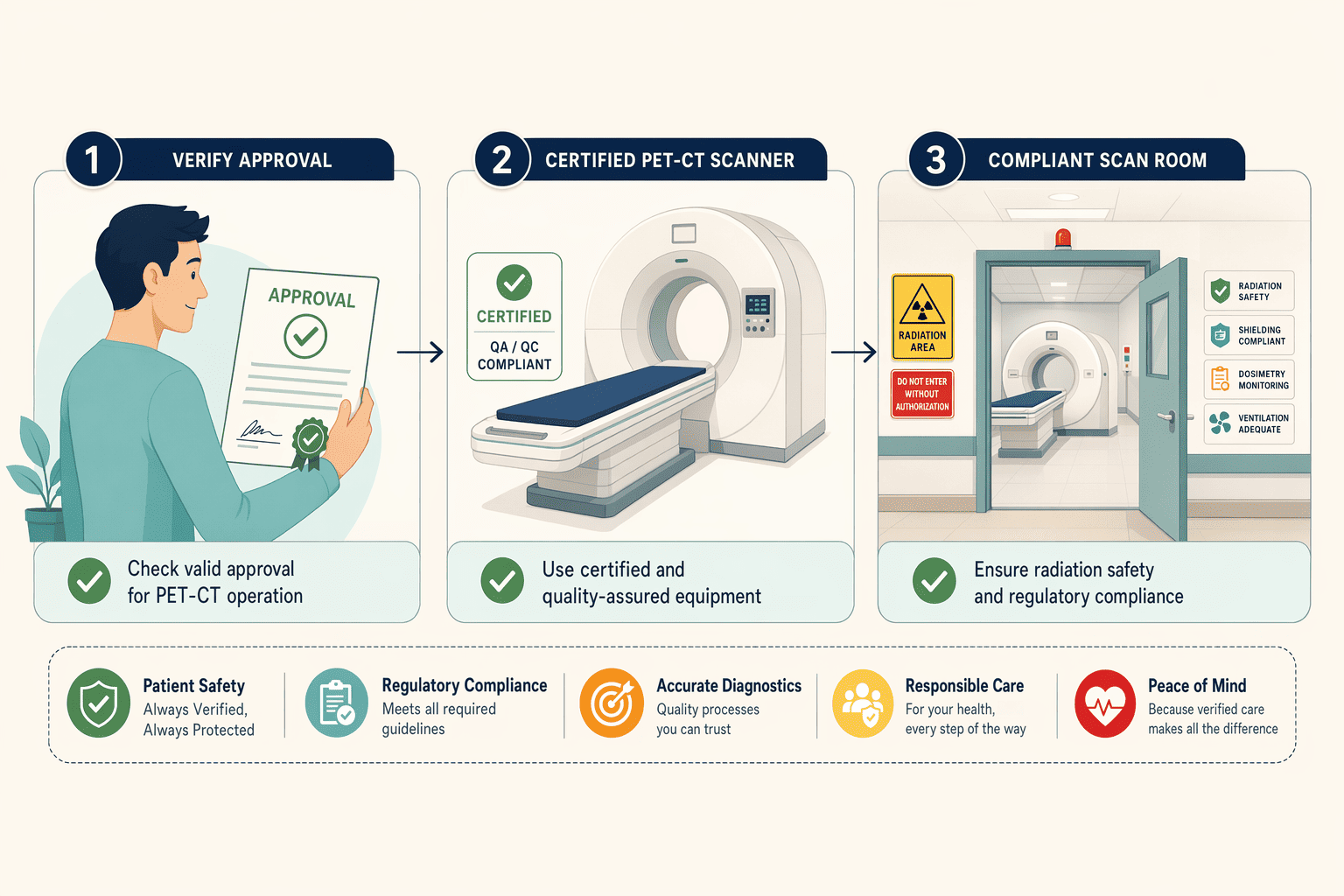
AERB (Atomic Energy Regulatory Board) licensing is mandatory for all PET-CT centers in India due to the ionizing radiation involved in nuclear medicine procedures. Unlicensed centers cannot legally operate PET-CT scanners, regardless of hospital reputation or tertiary-care status. Patients booking a PET-CT scan bear responsibility to verify the center's AERB approval before their appointment, missing approval signals inadequate radiation safety protocols and potential regulatory violations. In low-resource settings, ensuring regulatory compliance for diagnostic equipment remains key to quality assurance.
Step-By-Step: Verifying a Center's AERB Certification Before Your Appointment
- Request the AERB license number: When booking your PET-CT scan, ask the center for its AERB license number and the name under which the license was issued.
- Cross-reference with AERB's public registry: Visit the AERB website (aerb.gov.in) and search the license registry using the number provided. Confirm that the license holder name matches the facility.
- Confirm expiry date and scope: Verify that the license is current (not expired) and that its scope explicitly covers PET-CT operation and the specific tracer (e.g., FDG) you will receive.
Andromeda Cancer Hospital operates an AERB-certified PET-CT facility equipped with the GE Discovery IQ 2 system, with Dr. Aashish Gambhir serving as AERB-certified Radiation Safety Officer (RSO II and RSO III in NM Therapy).
NABL Accreditation for Pathology and IHC Testing
NABL (National Accreditation Board for Testing and Calibration Laboratories) certification ensures that pathology labs meet ISO 15189 quality standards for medical testing. When PET-CT findings require tissue confirmation, NABL-accredited pathology ensures reliable immunohistochemistry (IHC) and molecular testing. Andromeda Cancer Hospital's pathology team includes NABL-trained consultants and partners with accredited laboratories for advanced molecular diagnostics, maintaining quality control from imaging through tissue diagnosis.
Beyond verifying licensing, comparing scanner models and technology generations reveals substantial performance differences across Haryana's screening infrastructure.
Comparing Pet-Ct Scanner Technology Across Screening Centers
PET-CT scanner technology varies widely across Haryana's cancer screening infrastructure, from digital time-of-flight (TOF) systems at private tertiary hospitals to resource constraints at government day-care centers. This section compares equipment specifications, accreditation status, and indicative costs across facility types to help patients verify scanner generation before booking.
Pet-Ct Scanner Models in Haryana's Private Tertiary Hospitals
Private tertiary hospitals in Haryana typically deploy digital TOF-enabled scanners, the current generation offering faster acquisition and improved lesion detectability. Andromeda Cancer Hospital operates the GE Discovery IQ 2 PET-CT system, equipped with digital TOF technology for cancer staging and recurrence surveillance. Fortis Cancer Institute describes its digital detector design and high-resolution time-of-flight imaging as delivering exceptional clarity for small or low-contrast lesions. Medanta lists PET as a functional imaging technique observing metabolic processes, with CT scans performed on the same machine during the session.
| Center | PET-CT Scanner Generation | AERB / NABL Status | Indicative Screening Cost |
|---|---|---|---|
| Andromeda Cancer Hospital | GE Discovery IQ 2 (Digital TOF) | AERB-certified/NABL certified | Contact for pricing |
| Sarvodaya Hospital and Research Centre | Not publicly disclosed | Not publicly disclosed | Not publicly disclosed |
| Medanta - The Medicity | PET-CT (generation details not disclosed) | Not publicly disclosed | Not publicly disclosed |
| Artemis Hospital | Not publicly disclosed | Not publicly disclosed | Not publicly disclosed |
Insurance coverage for PET-CT varies by policy and may be denied for screening applications.
Government Day-Care Cancer Centres: Equipment Availability and Capacity Constraints
The Haryana government launched Day Care Cancer Centres at 22 district civil hospitals, expanding access from five operational facilities in Ambala, Panchkula, Kurukshetra, Yamunagar, and Faridabad. While these centers offer free screening programs under the National Programme for Prevention and Control of Non-Communicable Diseases, advanced imaging like PET-CT remains concentrated at tertiary hospitals. Private hospitals like Andromeda offer shorter wait times and advanced imaging but at out-of-pocket cost for uninsured patients.
Diagnostic Chains: Standalone Pet-Ct Centers Vs Hospital-Integrated Facilities
Standalone diagnostic chains provide an alternative to hospital-integrated PET-CT facilities. Medanta The Medicity offers 18F-FDG whole-body PET-CT and 68Ga-DOTA PET-CT. We provide accurate, affordable, advanced services. Hospital-integrated facilities offer same-session multidisciplinary coordination; oncologists can review PET-CT findings immediately and adjust treatment plans without external referrals.
While PET-CT addresses systemic cancer staging, breast imaging demands specialized equipment and protocols that vary significantly between 2D and 3D technologies.
Mammography and Breast Imaging Standards: 3D Vs 2D Systems
3D Full-Field Digital Mammography (Tomosynthesis): Performance Advantages
Three-dimensional tomosynthesis represents a significant leap over conventional 2D mammography, particularly for women with dense breast tissue. This technology acquires multiple thin slices through the breast, reducing tissue overlap that can mask early-stage cancers or generate false-positive findings. Diagnostic imaging in oncology relies on these advanced modalities to enable early detection, accurate diagnosis, and effective monitoring. Tomosynthesis improves radiologists' ability to characterize lesions before biopsy, minimizing unnecessary follow-up procedures and patient anxiety.
Stereotactic Breast Biopsy Capabilities and Patient Comfort Features
Not all screening centers maintain on-site biopsy capabilities; many refer patients to external facilities, adding delays and coordination burden. Centers offering stereotactic breast biopsy with comfortable positioning systems allow same-visit tissue sampling under image guidance, reducing the time between suspicious finding and definitive diagnosis. Andromeda Cancer Hospital provides 3D full-field digital mammography, high-resolution ultrasound with elastography, and stereotactic breast biopsy with a comfortable biopsy chair. Larger networks such as Indraprastha Apollo Hospitals serve the broader Delhi-NCR region with thorough breast imaging pathways.
High-Resolution Ultrasound With Elastography for Dense Breast Tissue
Elastography measures tissue stiffness, helping differentiate benign from malignant lesions detected on mammography. This adjunct modality complements tomosynthesis by providing functional information beyond structural anatomy. In dense-breast populations, combining 3D mammography with elastography yields higher diagnostic confidence and reduces equivocal findings that prolong the screening-to-diagnosis interval. Learn more about Andromeda's thorough approach at the Breast Oncology treatment page.
Thorough cancer screening often requires coordinating multiple imaging modalities, MRI for soft-tissue detail and ultrasound elastography for functional assessment, beyond mammography and PET-CT alone.
MRI and Ultrasound Capabilities for Multi-Cancer Screening
MRI in High-Risk Cancer Screening Protocols
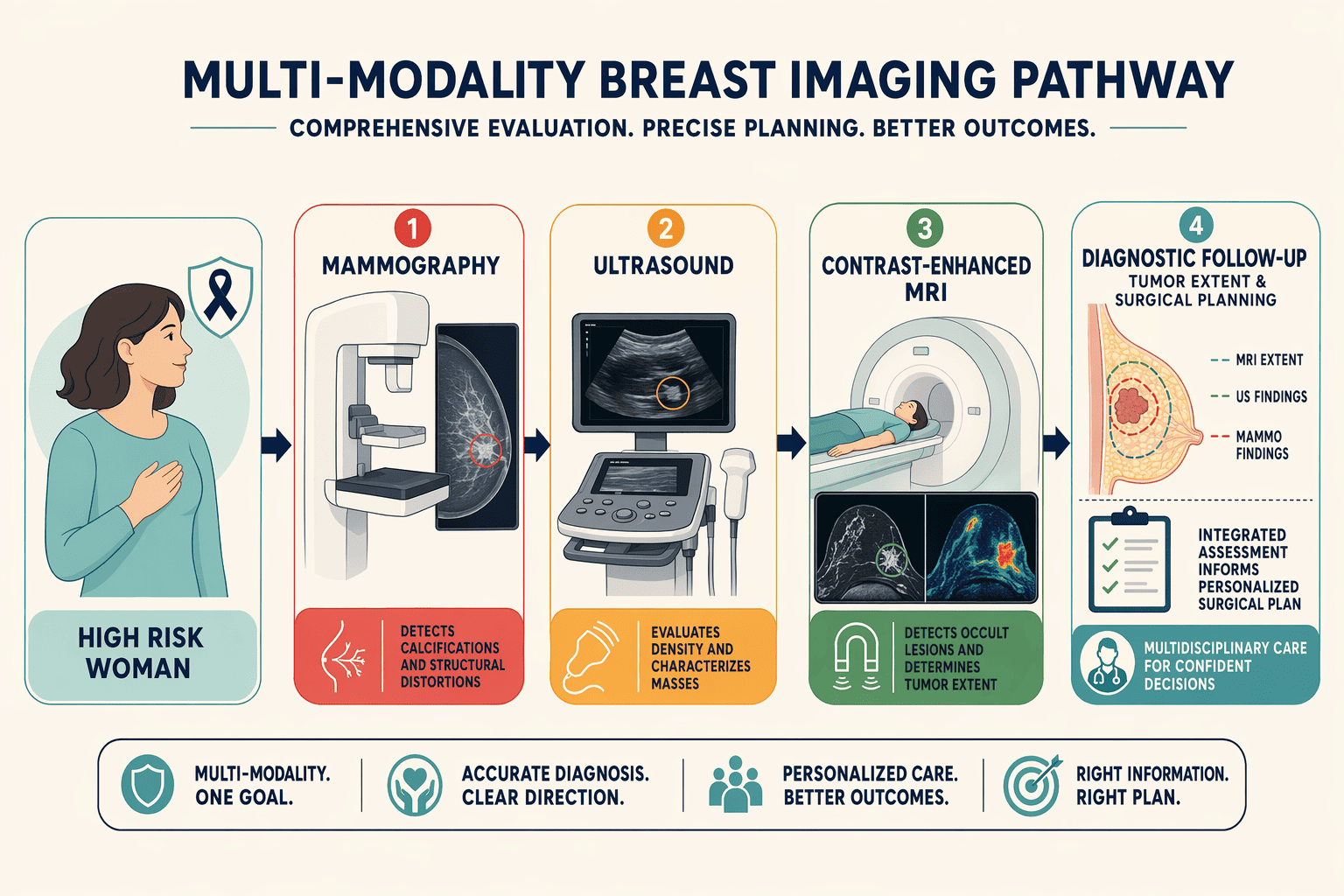
MRI is reserved for high-risk screening cohorts, BRCA mutation carriers, individuals with strong familial breast-cancer histories, or dense-breast patterns where mammography sensitivity drops. Contrast-enhanced breast MRI can detect small cancers missed by conventional imaging, but its cost and time commitment limit population-level rollout. Once an abnormality is flagged on screening mammography or ultrasound, MRI shifts to a diagnostic role, characterizing tumor extent and guiding surgical planning rather than serving as a first-line screening tool.
Same-Week Multidisciplinary Tumor Board Review: Coordinating Pet-Ct, MRI, and IHC Testing
Centers offering in-house PET-CT, MRI, and IHC pathology enable same-week multidisciplinary tumor board review, surgical oncologists, medical oncologists, radiation oncologists, and pathologists convene with complete imaging and molecular data in hand, finalizing treatment plans before the patient leaves the initial consultation cycle. Andromeda Cancer Hospital convenes tumor board meetings twice weekly and coordinates PET-CT, MRI, and IHC testing turnaround within one week, illustrating the integrated model. By contrast, centers outsourcing imaging to regional radiology hubs like Medanta or sending biopsy specimens to external pathology labs face week-long delays between scans, results, and board discussion, patients shuttle between facilities, and treatment plans fragment across disconnected silos. Tertiary oncology hospitals in Delhi-NCR adopting the same-roof approach compress decision cycles, reduce patient anxiety, and minimize lost-to-follow-up rates when imaging and pathology live under one roof.
Ultrasound Elastography for Lesion Characterization
Elastography measures tissue stiffness, malignant lesions are typically harder than benign cysts or fibroadenomas, adding a functional layer to anatomical ultrasound. In breast and soft-tissue screening, elastography helps radiologists triage equivocal findings: a stiff nodule warrants biopsy, while a soft lesion may be monitored. Elastography does not replace histopathology, but it reduces unnecessary biopsies and complements mammography and MRI in multi-modality screening protocols.
Even with the right equipment, diagnostic value depends heavily on how quickly results reach treating physicians, turnaround time benchmarks vary by in-house versus outsourced reporting models.
Turnaround Time and Report Delivery: What to Expect
Same-Day Vs Next-Day Reporting for Pet-Ct and MRI
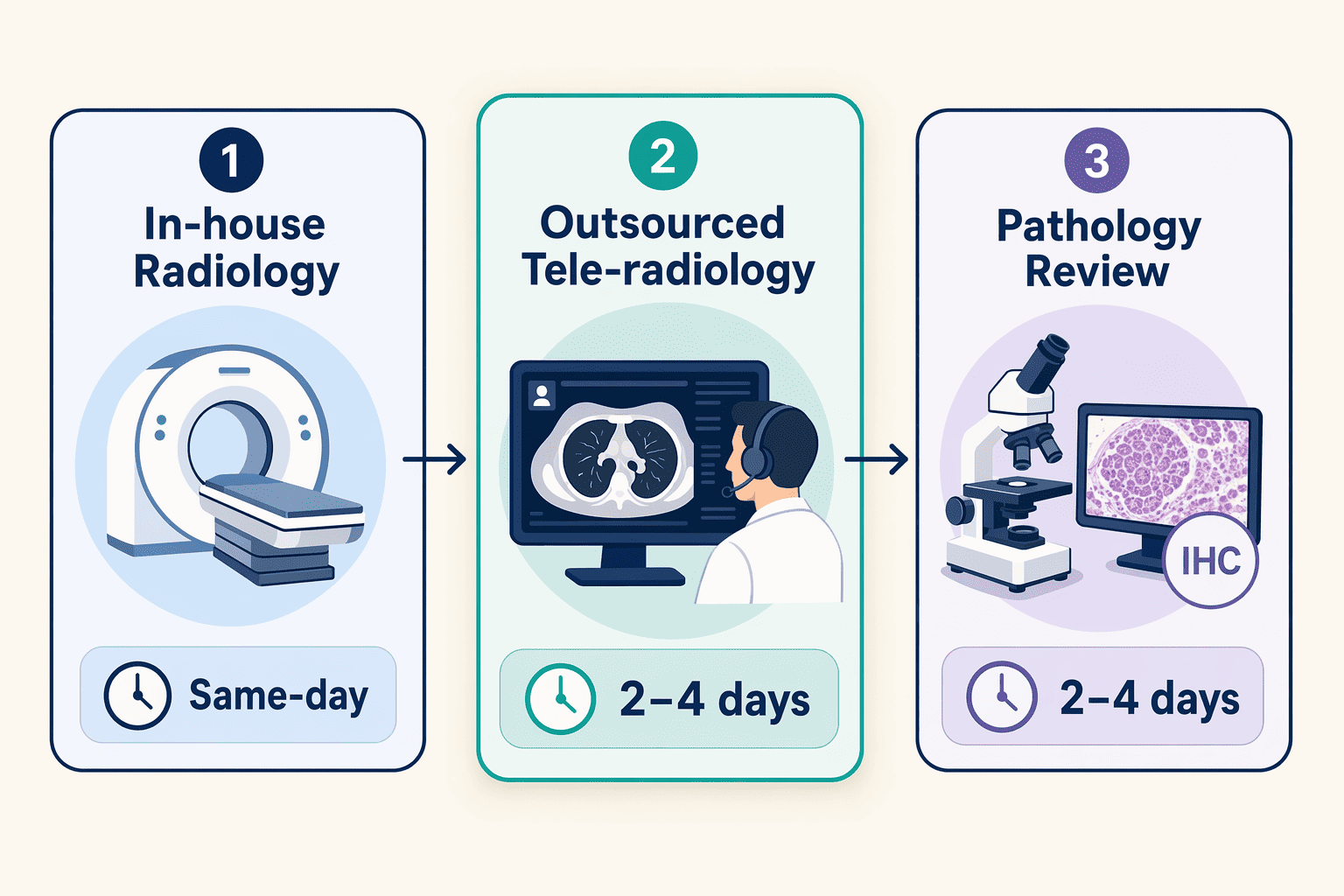
In-house radiologist availability drives reporting speed: same-day or next-day turnaround is typical at centers with on-site nuclear medicine physicians, while outsourced tele-radiology extends timelines to 2 to 4 days. Venkateshwar Cancer Hospital and other Delhi NCR centers illustrate this variability, multidisciplinary teams rely on synchronized imaging and pathology to enable weekly tumor board review.
IHC and Molecular Testing Turnaround: In-House Labs Vs Reference Labs
Immunohistochemistry (IHC) processed in-house delivers results in 2 to 3 days, compared to 7 to 10 days when sent to reference labs. Diagnostic histopathology reports arrive within 48 to 72 hours, while radical surgery specimens take 7 to 10 days. Turnaround times vary by in-house vs outsourced imaging and are not guaranteed universally, quoted timelines are indicative, not contractual.
Multidisciplinary Tumor Board Scheduling and Diagnostic Workflow Integration
Same-week tumor board review depends on coordinated PET-CT, IHC, and pathology turnaround within one week. Centers with co-located radiology and pathology, such as Andromeda Cancer Hospital, synchronize report delivery to meet weekly board schedules, enabling faster treatment planning compared to centers that outsource diagnostic services.
Understanding the three main screening center types in Haryana, government programs, private tertiary hospitals, and diagnostic chains, helps you match your clinical needs and budget to available infrastructure.
Screening Center Types in Haryana: Government, Private Tertiary, and Diagnostic Chains
Government Day-Care Cancer Centres: Free Screening With Capacity Constraints
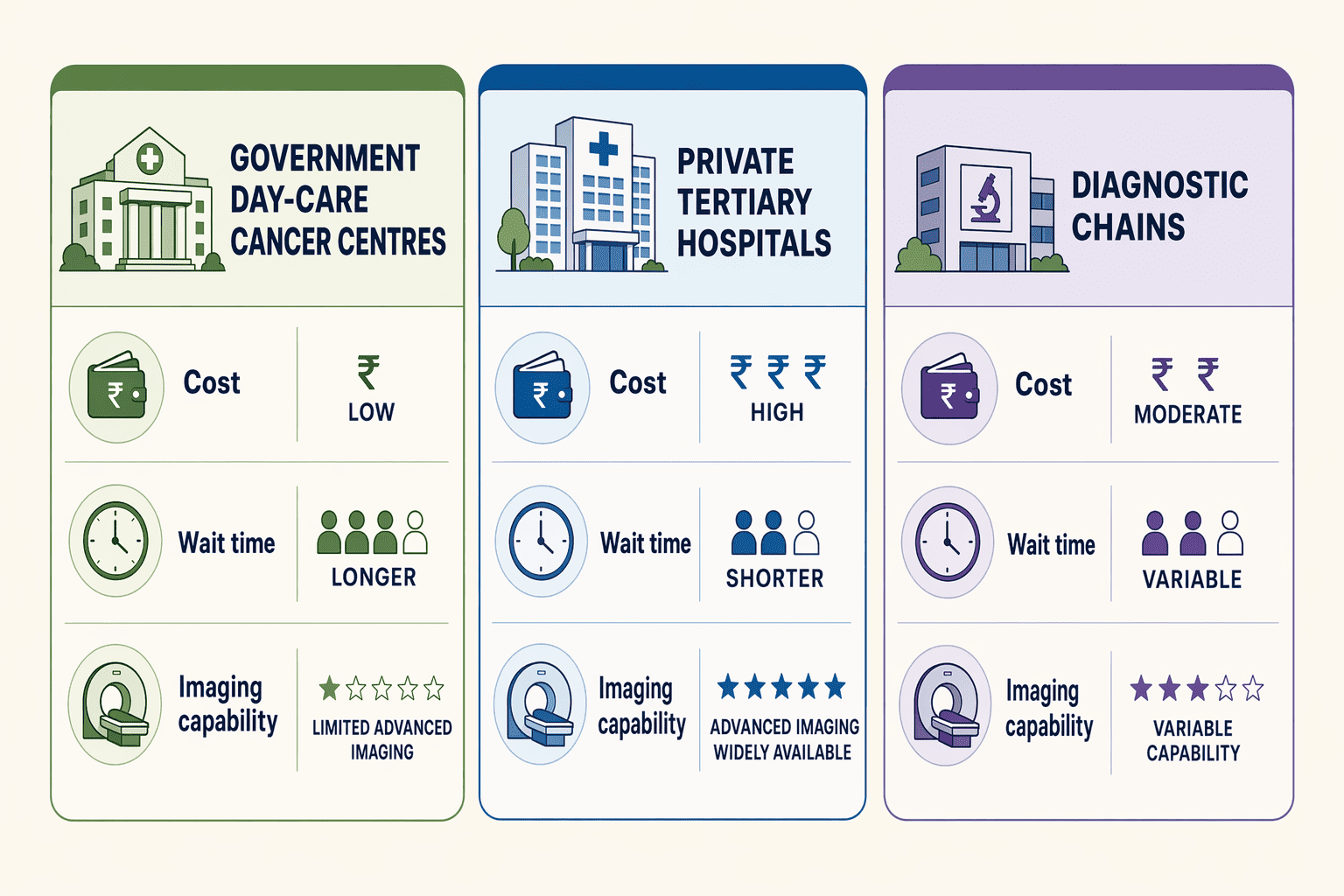
Twenty-two district civil hospitals across Haryana offer free cancer screening through government day-care programs. While these facilities eliminate out-of-pocket costs, patients face long wait lists for advanced imaging like PET-CT and digital mammography. Eligibility criteria often restrict access to below-poverty-line households or government insurance holders. Equipment availability varies widely by district; urban centers receive newer machines, while rural facilities may lack 3D tomosynthesis or high-throughput pathology labs. For uninsured patients with budget constraints, these centers remain the primary accessible option despite extended timelines for diagnosis.
Private Tertiary Hospitals: Advanced Equipment With Out-Of-Pocket Costs
Private hospitals like Metro Cancer Hospital and Dharamshila Hospital and Research Centre offer digital TOF PET-CT, 3D mammography, and in-house histopathology with turnaround times under 48 hours. Andromeda Cancer Hospital, located in Sonipat, falls within this tier and serves patients across Haryana, Delhi NCR, Punjab, and Uttar Pradesh. Integrated oncology teams coordinate surgical, medical, and radiation oncology under one roof, enabling same-day multidisciplinary tumor boards. The trade-off: higher out-of-pocket costs for uninsured patients.
Standalone Diagnostic Chains: Pet-Ct Centers Without Integrated Oncology Care
Diagnostic chains like Superb MRI PET-CT provide standalone PET-CT scans at lower cost than tertiary hospitals, typically 20 to 30% below private hospital rates. However, these centers lack in-house oncology consultation or multidisciplinary tumor boards. Patients receive imaging reports but must separately schedule surgical, medical, or radiation oncology consults at another facility. This fragmentation suits patients seeking second-opinion imaging or those already under care at a government hospital who need advanced diagnostics but want to avoid private hospital admission charges.
Making Equipment-First Screening Decisions
Government day-care cancer centers offer free screening programs but face long wait times and limited access to advanced imaging like PET-CT, private tertiary hospitals provide faster access to digital TOF PET-CT and 3D mammography but at out-of-pocket cost for uninsured patients. Standalone diagnostic chains deliver PET-CT scans at lower cost than hospital-integrated facilities but lack in-house oncology consultation and multidisciplinary tumor boards for same-week treatment planning.
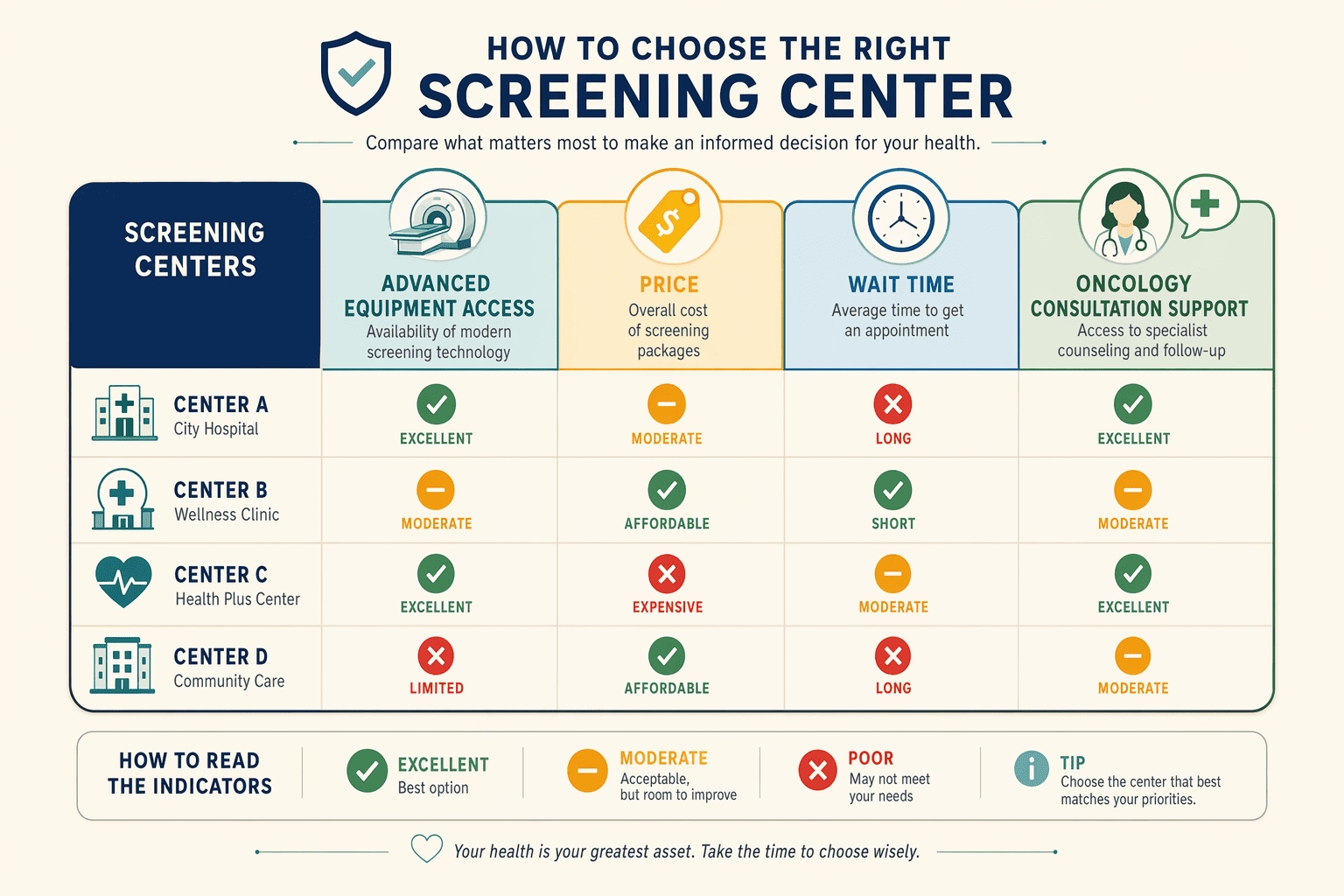
As Haryana expands its government cancer screening infrastructure to all 22 districts, the gap between free-but-capacity-constrained public programs and fast-but-costly private options will shape patient access, digital health integration and tele-radiology networks may eventually close turnaround-time disparities between government and private centers.
Book an https://www.andromedahospital.in/support/contact to discuss personalized equipment recommendations (PET-CT, 3D mammography, MRI) based on your family history and risk factors. Compare AERB licensing, scanner generation, and turnaround time across Haryana centers before finalizing your screening plan.
Frequently Asked Questions
Which Haryana cancer screening centers have AERB-licensed PET-CT scanners with digital TOF technology?
Private tertiary hospitals in Haryana deploy digital TOF-enabled PET-CT scanners with AERB licensing. Andromeda Cancer Hospital operates the GE Discovery IQ 2 system, while facilities like Medanta, Artemis, and Fortis maintain similar digital TOF platforms. Verify AERB certification directly through the center's nuclear medicine department before booking.
How much does a PET-CT scan cost at private cancer screening centers in Haryana, and is it covered by insurance?
Insurance coverage for PET-CT varies by policy and may be denied for screening applications. Private center costs depend on scanner generation and in-house versus outsourced reporting. Coverage typically requires clinical indication, confirmed malignancy or high-risk surveillance, rather than general screening, so verify pre-authorization with your insurer before scheduling.
What is the difference between 3D mammography (tomosynthesis) and 2D mammography for breast cancer screening?
3D mammography (tomosynthesis) reduces false positives by 15-20% and increases cancer detection rates by 20-65% in dense breast tissue compared to 2D systems. Tomosynthesis acquires multiple low-dose X-ray slices, eliminating tissue overlap. Andromeda Cancer Hospital offers 3D full-field digital mammography as one example in Haryana's screening infrastructure.
Do government cancer screening programs in Haryana offer PET-CT and MRI scans for free?
Twenty-two district civil hospitals across Haryana offer free cancer screening through government day-care programs. However, advanced imaging like PET-CT and MRI faces capacity constraints and long wait times at government centers. Basic screening modalities, clinical examination, Pap smear, conventional mammography, remain the primary focus of free programs.
How long does it take to get PET-CT and MRI reports at Haryana cancer screening centers?
In-house radiologist availability drives turnaround time: same-day to 48 hours at centers with on-site nuclear medicine physicians. Immunohistochemistry processed internally delivers results in 2 to 3 days versus 7 to 10 days when outsourced. Same-week multidisciplinary tumor board review requires coordinated PET-CT, IHC, and pathology turnaround within one week.
Can I get a PET-CT scan, MRI, and biopsy at the same cancer screening center in Haryana?
Private tertiary hospitals with in-house multi-modality coordination, PET-CT, MRI, stereotactic biopsy, and IHC pathology under one roof, enable same-week multidisciplinary tumor board review. Andromeda Cancer Hospital exemplifies this model. Standalone diagnostic chains offer imaging only and refer biopsy procedures to external facilities, adding coordination delays.
What equipment should I look for when choosing a cancer screening center in Haryana?
Verify AERB-licensed PET-CT with digital TOF technology, 3D mammography (tomosynthesis), high-resolution ultrasound with elastography, in-house MRI, and NABL-accredited pathology for same-week turnaround. Not every patient requires every modality, screening should be indication-based. In-house coordination of imaging and tissue analysis reduces report turnaround by 7-10 days.