
Radiation therapy targets cancer cells by damaging their DNA, but nearby healthy tissues can also be affected, producing side effects that vary by treatment location. Understanding what to expect helps you prepare and manage symptoms effectively.
Key Takeaways
- Fatigue and skin reactions in the treatment field affect nearly all radiation therapy patients, regardless of treatment location.
- Side effects depend heavily on which body area receives radiation—brain treatments cause different reactions than chest, abdomen, or pelvic radiation.
- Modern precision techniques like IGRT and IMRT reduce side effect severity by minimizing radiation exposure to healthy tissues.
- Most side effects are manageable at home with practical strategies like hydration, gentle skin care, and energy conservation.
- Certain warning signs—fever above 100.4°F, persistent vomiting, bloody stools, or severe pain—require immediate medical attention.
Understanding Radiation Therapy Side Effects: What Every Patient Should Know
Radiation therapy side effects vary widely by treatment area because radiation affects rapidly dividing cells in the specific field being treated. While fatigue is the most universal symptom, other reactions—skin changes, bowel or bladder disruptions, localized soreness—depend on which organs or tissues receive radiation. Most people who receive radiation therapy experience side effects, since healthy cells near the tumor are temporarily damaged during treatment. Importantly, radiation therapy itself is painless during each session. Facilities equipped with precision techniques such as image-guided radiotherapy (IGRT) and intensity-modulated radiotherapy (IMRT), available at centers like Andromeda Cancer Hospital, design treatment to minimize exposure to healthy tissue, although side effects remain common. In Delhi and northern India, radiotherapy costs typically range from ₹35,000 to ₹2.5 lakh, depending on the cancer type and number of sessions required.
Why Side Effects Vary by Treatment Area
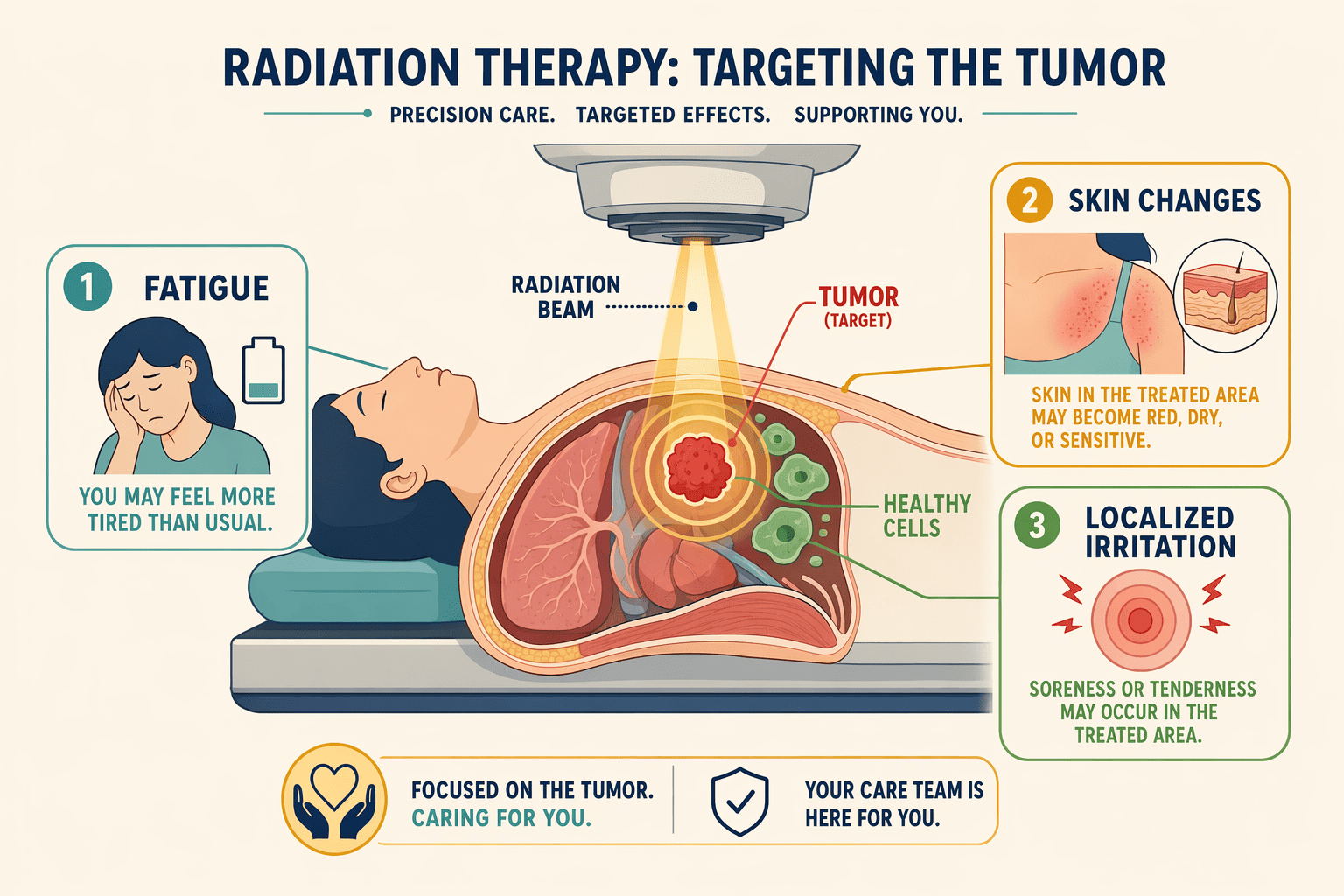
Radiation kills cancer cells by damaging their DNA, but it can also affect nearby healthy cells. Because radiation is localized to a specific body region, side effects depend on which normal tissues lie within the treatment field. For example, brain radiation may cause fatigue, hair loss, and memory or concentration problems, while breast radiation often leads to skin changes and localized swelling. Radiation oncologists design each treatment plan to deliver maximum damage to the tumor while avoiding healthy structures, yet some collateral exposure is inevitable. Unlike cancer cells, healthy cells can repair radiation damage over time, which is why side effects typically resolve weeks to months after treatment concludes.
The Two Universal Side Effects All Patients Experience
Fatigue is the most common side effect of radiation therapy, affecting nearly all patients. It can appear suddenly or build gradually, and its intensity varies from person to person. Skin reactions, redness, soreness, or peeling in the treatment area, are the second universal effect, since radiation must pass through skin to reach internal tumors. Mild to moderate fatigue and localized skin changes establish the baseline experience, while other side effects depend on the specific cancer site being treated. Patients should expect these two effects regardless of treatment location and discuss management strategies, rest, gentle skin care, nutritional support, with their radiation oncology team before starting therapy.
While every patient's experience differs, two side effects appear consistently across all treatment areas.
Universal Side Effects: Fatigue and Skin Reactions Across All Treatment Areas
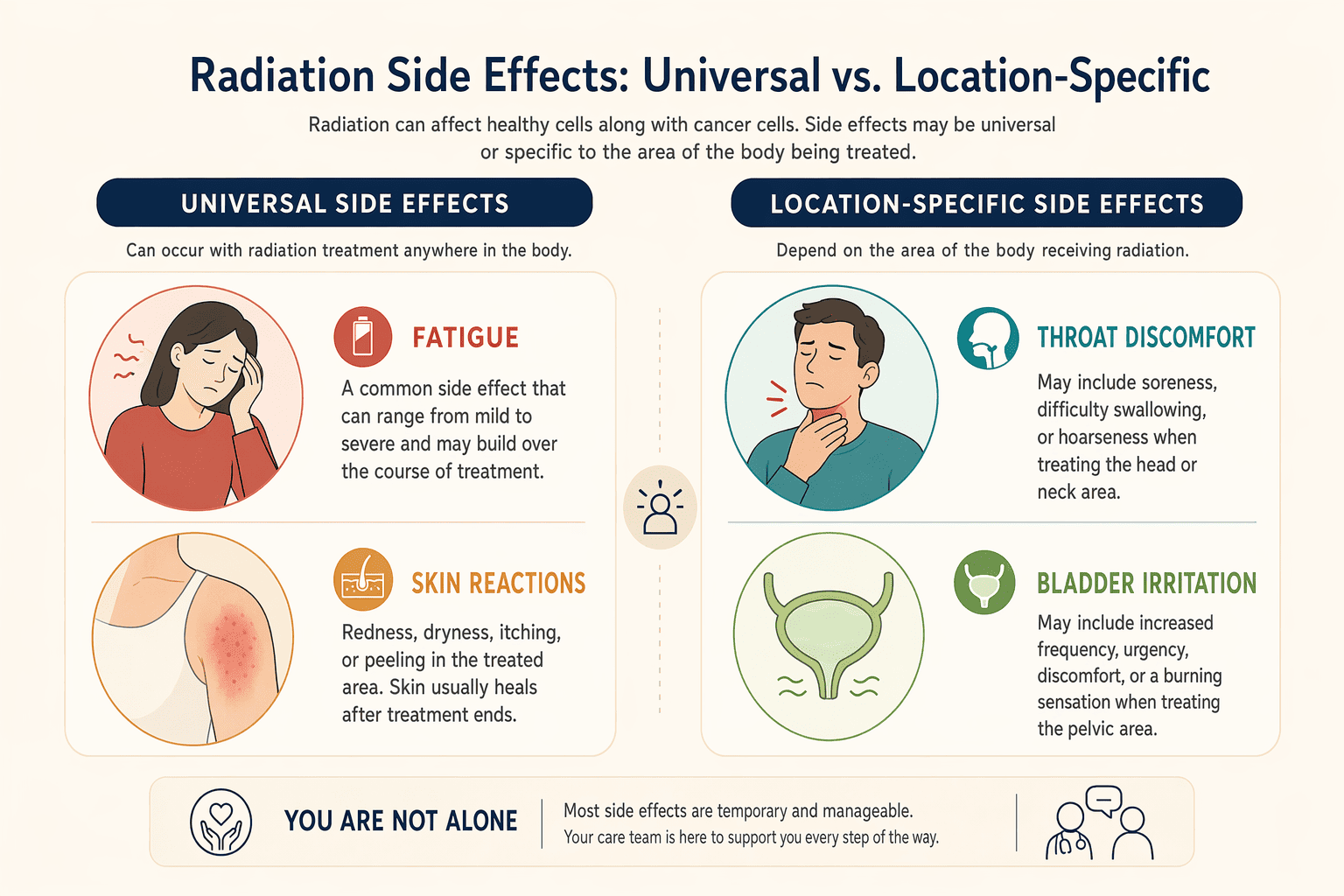
Regardless of where radiation targets your body, two side effects occur in nearly every patient: fatigue and skin reactions in the treatment field. These universal responses differ from area-specific symptoms, such as throat soreness during head-and-neck treatment or bladder irritation during pelvic radiation, that appear only when certain organs receive dose. Understanding the baseline effects helps you distinguish what every radiation patient experiences from complications unique to your treatment site.
Radiation-Related Fatigue: Timeline and Management
Fatigue builds gradually over your treatment course rather than appearing after the first session. Most patients notice mild tiredness in week two or three; exhaustion peaks one to two weeks after your final fraction, then resolves slowly over the following month. This cumulative pattern stems from the biological cascade radiation triggers: inflammatory cytokines released by damaged cells, mild anemia from bone-marrow exposure, and the metabolic cost of repairing irradiated tissue. Rest alone does not fully resolve radiation fatigue because the underlying mechanism, cellular repair and immune signaling, takes weeks to normalize.
Effective management combines energy conservation with strategic activity. Schedule important tasks during your highest-energy window, often mid-morning for most patients, and accept that you cannot sustain pre-treatment productivity during active therapy. Light exercise, such as a fifteen-minute walk, often reduces fatigue more effectively than extended bed rest by supporting circulation and mood. Nutritional support matters: maintaining protein intake helps tissue repair, and staying hydrated counters the dehydration that worsens tiredness. If fatigue interferes with daily function or persists beyond six weeks post-treatment, discuss it with your radiation oncologist; severe cases may warrant evaluation for anemia or thyroid changes.
Skin Reactions in the Treatment Field
Skin changes occur only where radiation beams enter and exit your body, not across your entire skin surface. The progression follows a predictable sequence: mild redness appears around week two to three, similar to a sunburn; dryness and itching develop as damaged cells shed; by treatment end, some patients experience peeling or moist desquamation in high-dose areas. These reactions typically resolve two to four weeks after your final session, though pigmentation changes may persist for months.
Proactive skin care reduces severity and discomfort. Wash the treatment area gently with fragrance-free cleansers, avoid scrubbing or hot water, which aggravate irritation. Apply aloe-based moisturizers or prescribed barrier creams twice daily, timing application at least four hours before your treatment session to avoid interference with beam delivery. Wear loose cotton clothing over the treated area; tight waistbands or bra straps rubbing against irradiated skin worsen breakdown. Sun exposure amplifies damage: cover the treatment field with clothing or SPF 30+ sunscreen for at least a year post-therapy. If skin blistering, oozing, or pain intensifies beyond mild discomfort, alert your care team immediately, advanced reactions may require prescription creams or treatment breaks.
A common patient misconception: radiation does not cause whole-body hair loss like chemotherapy. Hair falls out only in the treatment field, scalp radiation causes scalp hair loss; pelvic radiation may affect pubic hair; chest or breast radiation leaves arm and leg hair intact. This localized effect distinguishes radiation dermatitis from systemic chemotherapy toxicity.
Beyond these universal effects, radiation produces location-specific reactions that depend entirely on which organs and tissues lie in the treatment field.
Side Effects by Treatment Area: Brain and Head
Radiation side effects depend on which tissues lie in the treatment field. Brain and head/neck radiation each produce distinct symptom profiles reflecting the organs and structures exposed.
Brain Radiation: Cognitive Changes and Neurological Symptoms
- Headache and nausea, Brain radiation can trigger headache and nausea during the early weeks of treatment. These symptoms typically resolve within weeks to months after treatment ends.
- Cognitive changes, Memory lapses, difficulty concentrating, and mental fog are common during and shortly after brain radiation. Most cognitive changes improve within a few months; late-onset memory issues appearing six or more months post-treatment are less common but can occur.
- Hair loss limited to the scalp, Hair loss from radiation affects only the area treated. Patients receiving brain radiation will lose scalp hair in the treatment field, but body hair elsewhere remains unaffected.
Head and Neck Radiation: Oral and Swallowing Impacts
- Mouth sores (mucositis), Radiation to the head and neck damages the oral mucosa, causing painful sores and inflammation. Patients often need to switch to soft foods and avoid acidic or spicy items until healing begins.
- Difficulty swallowing (dysphagia), The pharyngeal muscles and esophagus can become inflamed, making swallowing uncomfortable. Small, frequent meals and nutrient-dense liquids help maintain nutrition.
- Taste changes, Taste buds in the treatment field may temporarily lose function, altering flavor perception. Most taste changes resolve within weeks after radiation ends.
- Dry mouth (xerostomia), Radiation damages salivary glands, reducing saliva production. Facilities using IMRT, such as Andromeda Cancer Hospital, can reduce salivary-gland exposure in head and neck cases, potentially lowering xerostomia severity.
- Dietary adjustments, In head and neck cancers, dietary changes help manage mucositis and dysphagia. Protein shakes, blended meals, and avoiding caffeinated drinks (which worsen dry mouth) are common strategies. These adjustments are specific to head and neck radiation; not all radiation patients require dietary changes.
Side Effects by Treatment Area: Chest and Breast
Lung and Esophageal Symptoms From Chest Radiation
Radiation to the chest can cause respiratory symptoms because the lungs and esophagus sit within the treatment field. A mild, dry cough or slight shortness of breath during exertion are common and typically resolve within weeks of completing therapy. However, certain red-flag symptoms warrant immediate contact with your care team: persistent fever, coughing up blood, severe chest pain, or marked shortness of breath even at rest. These may signal radiation pneumonitis or esophagitis requiring prompt medical attention.
Esophageal discomfort often feels like heartburn because the esophagus runs directly through the chest radiation zone. This sensation usually peaks mid-treatment and fades gradually afterward. Soft, cool foods and prescribed acid-suppression medications can ease swallowing until the irritation subsides.
Breast Radiation: Skin and Tissue Changes
Breast radiation commonly produces skin redness, swelling, and tenderness that peak near the end of the treatment course. Reactions are often most pronounced in the inframammary fold, the crease beneath the breast, where skin-on-skin contact and moisture amplify irritation. Gentle cleansing and unscented moisturizers help manage discomfort during active treatment.
Tissue changes evolve over months to years. Breast skin may retain persistent tanning in exposed areas, and daily moisturizing can help this fade. More significantly, radiation can cause fibrosis, tightening or hardening of breast tissue, so the treated area may feel firmer and less flexible long-term. These texture changes can be permanent; stretching exercises and physical therapy support tissue mobility but do not reverse fibrosis entirely.
At Andromeda Cancer Hospital's breast oncology centre, patients treated with the Varian TrueBeam STx benefit from deep-inspiration breath-hold (DIBH) technique when appropriate, which reduces cardiac and lung exposure during breast radiation. Lower exposure to surrounding organs can translate to fewer long-term cardiovascular and pulmonary side effects, complementing the precision-dose delivery that minimizes unnecessary tissue damage.
Side Effects by Treatment Area: Abdomen and Pelvis
Abdominal Radiation: Nausea, Diarrhea, and Appetite Changes
Radiation to the abdomen targets gastrointestinal tumors but often affects healthy bowel tissue, producing digestive symptoms that typically emerge by the second or third week of treatment. Common reactions include nausea, diarrhea, abdominal cramping, and reduced appetite. Many patients develop diarrhea during radiation therapy; acute management centers on dietary adjustments tailored to GI radiation, switching to a low-fiber diet during episodes of loose stools, eating small frequent meals when nausea is prominent, and choosing bland foods when appetite is poor. Anti-diarrheal medications such as Imodium or Lomotil may be recommended, and sitz baths can ease anal discomfort. Most gastrointestinal side effects resolve within one to two months after treatment ends, though some patients experience persistent bowel sensitivity as a late effect.
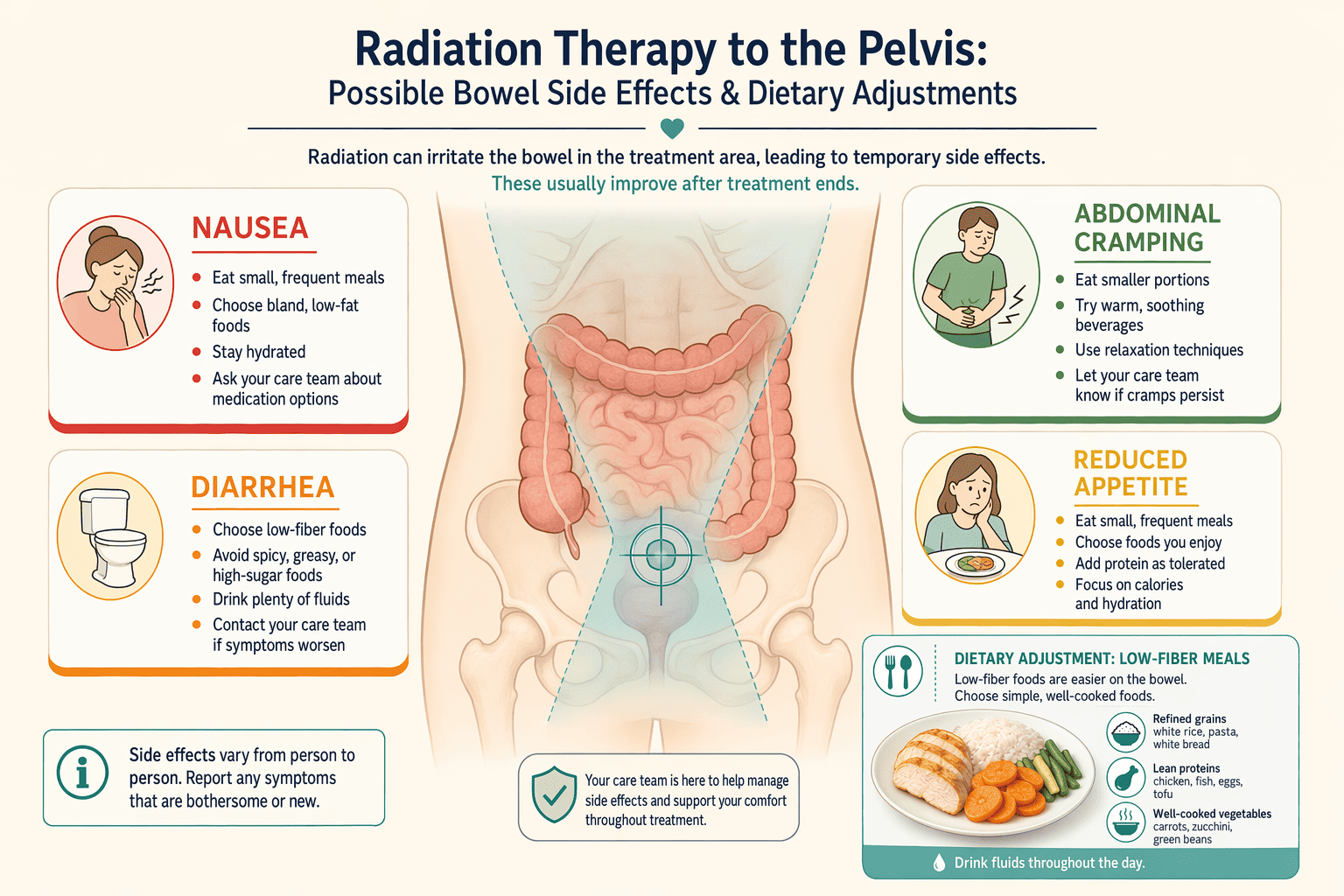
Call your care team immediately if you develop persistent vomiting that prevents fluid intake, bloody stools, or severe abdominal pain, these may signal complications requiring prompt intervention.
Pelvic Radiation: Urinary, Bowel, and Sexual Function Impacts
Pelvic radiation, commonly used to treat cervical, ovarian, uterine, and lower gastrointestinal cancers, can irritate the bladder lining, producing urinary frequency, urgency, and nocturia during treatment. Bowel changes mirror abdominal radiation effects: loose stools and rectal urgency are frequent acute reactions. Sexual function impacts are significant but often under-discussed. Women may experience vaginal dryness and progressive stenosis; vaginal moisturizers and dilator use during and after treatment help maintain vaginal health. Men may notice erectile changes. Unlike acute symptoms that typically resolve within weeks, late effects such as chronic bladder irritation or rectal sensitivity can emerge six or more months after treatment and may persist long-term.
Modern intensity-modulated radiation therapy (IMRT), available at centers like Andromeda Cancer Hospital, sculpts radiation dose to reduce bladder and rectal exposure compared to conventional techniques, potentially lowering the severity of long-term bowel and bladder side effects.
Advanced radiotherapy technology has fundamentally changed the side effect profile by delivering radiation with unprecedented accuracy.
How Modern Precision Radiotherapy (IGRT/IMRT) Reduces Side Effect Severity
Image-Guided and Intensity-Modulated Techniques Explained
Image-guided radiotherapy (IGRT) uses daily imaging, often a cone-beam CT scan, immediately before each treatment session to verify the tumor's position, accounting for natural shifts in anatomy between visits. Intensity-modulated radiotherapy (IMRT) refines the radiation beam itself, adjusting its strength across hundreds of tiny segments to sculpt the dose closely around the tumor while sparing nearby healthy tissue. Together, these techniques ensure that radiation hits the cancer cells more precisely, even when internal organs move slightly day to day. Andromeda Cancer Hospital delivers both IGRT and IMRT using the TrueBeam STx platform, bringing global-standard precision to patients across Haryana and northern India.
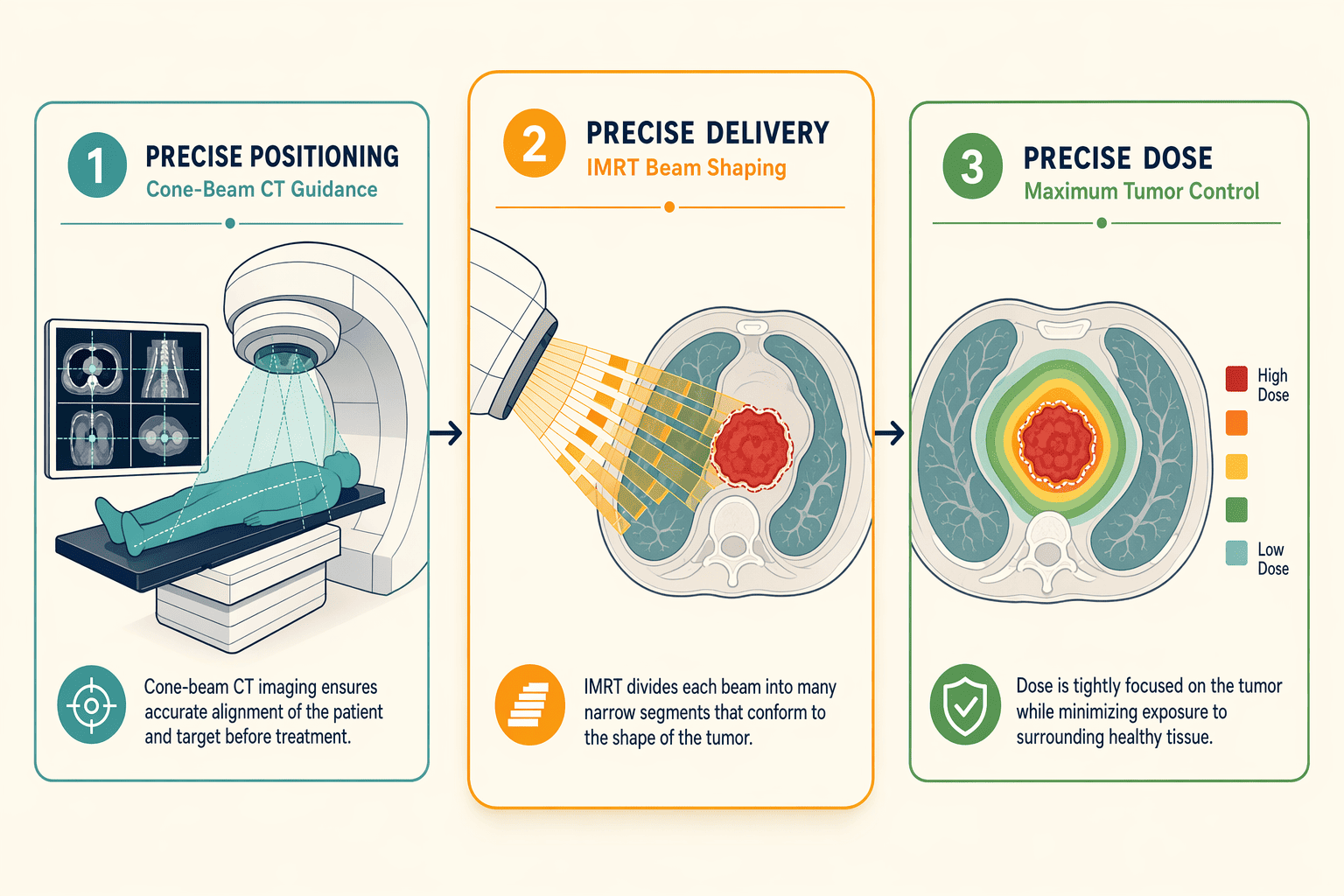
Clinical Impact: Reduced Healthy Tissue Exposure
Precision targeting directly translates to lower side effect rates. Radiotherapy causes DNA breaks and subsequent cell death, affecting cancer cells more severely than normal cells, but older uniform-beam techniques often delivered unnecessary dose to surrounding organs. IMRT can reduce high-dose exposure to critical structures, for example, sparing salivary glands in head-and-neck cancer reduces severe dry mouth, and shielding the rectum and bladder in pelvic treatments lowers urinary and bowel irritation. While fatigue and skin reactions remain common, their severity and duration typically decrease with IMRT compared to conventional plans. As government schemes expand access to advanced radiation therapy across India, more patients benefit from these dose-sparing techniques that balance cure with quality of life.
Even with precision technology, proactive self-care and knowing when to escalate concerns remain key to navigating treatment successfully.
Managing Side Effects: Practical Strategies and When to Contact Your Care Team
Self-Care Strategies During Radiation Treatment
Most radiation treatments are outpatient procedures, so practical self-management between weekly check-ins is key. Concrete daily practices help minimize discomfort: drink 8 to 10 glasses of water daily to stay hydrated, apply fragrance-free moisturizer to treated skin 2 to 3 times daily, and walk 10 to 15 minutes daily if energy permits (see MD Anderson's coping strategies for more). Track symptoms in a simple journal, noting when fatigue peaks or skin changes appear, so your radiation oncology team can review patterns and adjust your care plan during weekly on-treatment visits. Use mild soap and pat skin dry instead of rubbing; avoid heating pads or ice packs directly on treated areas. Many patients also find that practicing a nighttime ritual, such as reading or gentle stretching, helps combat insomnia that can emerge mid-treatment.
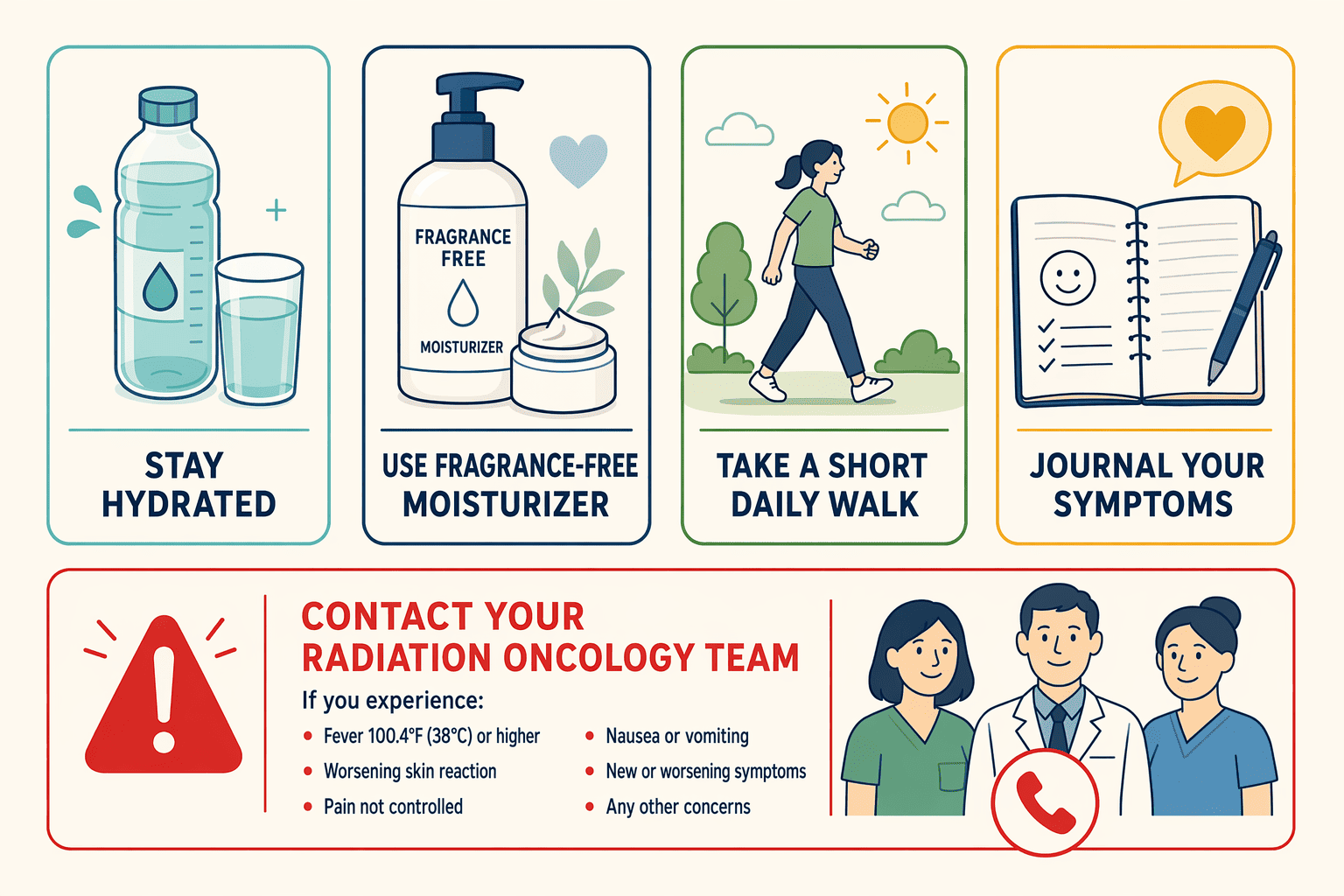
Red-Flag Symptoms Requiring Immediate Care Team Contact
Call your radiation oncology team immediately if you experience:
- Fever above 100.4°F (38°C)
- Vomiting that prevents fluid intake for more than 12 hours
- Blood in stools or urine
- Severe shortness of breath or chest pain
- Skin blistering or peeling that breaks open
- Uncontrolled pain despite prescribed medication
These operational thresholds, adapted from NHS guidance, signal complications that need prompt medical attention. External beam radiation does not make you radioactive, so no isolation from family is required; however, uncontrolled symptoms may indicate infection or treatment-related toxicity that warrants same-day evaluation.
Conclusion
Conventional radiation techniques deliver uniform beam intensity with less-frequent imaging verification, often resulting in higher normal tissue dose and more severe side effects; modern precision techniques like IGRT and IMRT reduce healthy tissue exposure but require specialized equipment and longer treatment planning time. Outpatient radiation offers convenience and lower cost but requires patients to manage side effects at home between weekly check-ins, while inpatient monitoring provides closer symptom management but involves hospitalization logistics.
Radiation therapy continues advancing toward ultra-precise techniques, stereotactic body radiotherapy, proton therapy, and adaptive planning that adjusts treatment in real-time based on tumor response. The future trend is maximizing tumor control while further minimizing side effect burden.
Explore how precision radiotherapy techniques at Andromeda Cancer Hospital reduce side effect severity, schedule a consultation to discuss IGRT/IMRT options for your treatment plan.
Frequently Asked Questions
When do radiation therapy side effects typically start?
Side effects usually begin 2-3 weeks into treatment as cumulative radiation dose affects rapidly dividing cells in the treatment field. Fatigue is often the earliest symptom, while skin changes, digestive issues, and localized discomfort emerge later depending on which area receives radiation.
How long do radiation therapy side effects last after treatment ends?
Most acute side effects, fatigue, skin reactions, nausea, peak at treatment end or 1-2 weeks after, then gradually resolve over 2-6 weeks. Late effects like fibrosis or chronic bowel and bladder changes can emerge months to years later, requiring ongoing monitoring.
Will I lose all my hair during radiation therapy?
No, hair loss occurs only in the area being treated, not throughout your body. Scalp radiation causes scalp hair loss; pelvic radiation may affect pubic hair; chest or breast radiation leaves arm and leg hair intact, unlike chemotherapy which causes whole-body hair loss.
Do I need to stay in the hospital for radiation therapy?
Most radiation treatments are outpatient procedures, allowing you to go home the same day. Some complex cases, certain head, neck, or brain treatments, may require overnight monitoring, but the majority of patients manage side effects at home between weekly check-ins.
Will I be radioactive after external beam radiation therapy?
No, external beam radiation does not make you radioactive. You can safely be around family members, including children and pregnant women, immediately after treatment. Internal radiation (brachytherapy) has different precautions that your care team will explain if applicable.
How can I manage radiation therapy side effects at home?
Self-care strategies include gentle skin care with fragrance-free products, staying hydrated with 8-10 glasses of water daily, eating small frequent meals if nauseated, and balancing rest with light activity. These practical daily practices minimize discomfort between medical check-ins.
When should I contact my radiation oncology team about side effects?
Call immediately if you experience fever above 100.4°F, uncontrolled pain, persistent vomiting preventing fluid intake, bloody stools or urine, or severe shortness of breath. These warning signs may signal complications requiring prompt medical intervention beyond routine side effect management.