
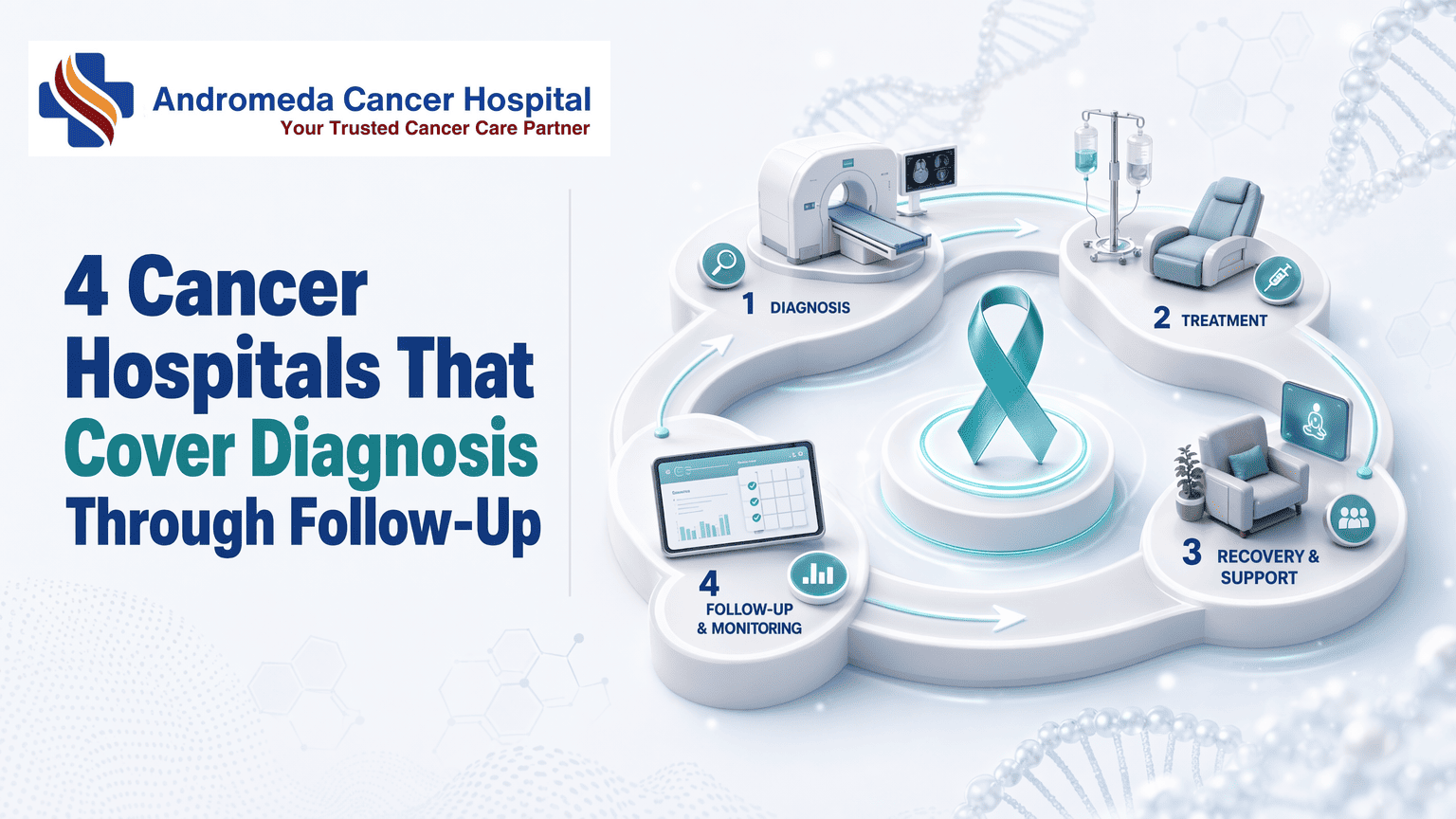
Cancer treatment requires coordination across six distinct stages—from screening through survivorship. Many hospitals offer oncology services, yet few integrate all disciplines under one roof with structured tumor board oversight.
Key Takeaways
- Thorough cancer care coordinates six stages: screening, diagnosis, treatment planning, delivery, supportive care, and survivorship under one multidisciplinary team
- Active tumor boards (weekly, mandatory, documented) reduce treatment variability and improve outcomes versus irregular, optional meetings
- On-site diagnostics (PET-CT, histopathology, IHC) reduce turnaround time from days to hours, enabling faster multidisciplinary review
- Survivorship care plans structure long-term follow-up with treatment summaries, surveillance schedules, and late-effects screening
- Evaluation criteria include tumor board frequency, in-house imaging, palliative care integration, and documented survivorship programs
Thorough cancer care means coordinating six distinct stages—screening, diagnosis, treatment planning, delivery, supportive care, and survivorship—under one multidisciplinary team rather than siloing specialists across separate departments. Hospitals that integrate surgical oncologists, medical oncologists, radiation oncologists, pathologists, radiologists, and palliative care specialists reduce treatment delays, align therapy sequencing with tumor biology, and avoid fragmented handoffs that can compromise outcomes. Andromeda Cancer Hospital, a 105-bed tertiary super specialty cancer hospital established in 2024, operates this integrated model with co-located services and weekly multidisciplinary tumor board reviews, ensuring every stage—from initial imaging to post-treatment follow-up—happens in a coordinated pathway.
The Six Stages of Cancer Care
A thorough cancer center covers screening (early detection through mammography, PET-CT, or genetic counseling ), diagnosis (pathology with frozen section reporting within 20-30 minutes and immunohistochemistry via accredited laboratories ), treatment planning (tumor board discussions involving oncoplastic breast surgeons, medical oncologists, radiation oncologists, radiologists, pathologists, and palliative care specialists ), delivery (surgery including minimally invasive and robotic techniques, radiation therapy with IMRT/VMAT/SBRT, and systemic therapies such as chemotherapy, immunotherapy, targeted therapy, and endocrine therapy ), supportive care (anesthesia for major and minimally invasive procedures, pain management, psychological support, and nutritional guidance ), and survivorship (follow-up imaging, rehabilitation, and physiotherapy ). Treatment plans are tailored to cancer type, stage, disease biology, and patient factors, not one-size-fits-all.
Why Same-Roof Coordination Matters
Integrated centers eliminate the handoff delays and communication gaps that plague multi-facility referral chains. When surgical oncologists, medical oncologists, and radiation oncologists collaborate from the same tumor board—as Andromeda does with personalized treatment planning through multidisciplinary discussions —treatment sequencing can be optimized: neoadjuvant chemotherapy timing, radiation boost coordination, and post-operative recovery support all align with the patient's clinical trajectory rather than departmental schedules. The hospital's care model ensures the surgeon leads the multimodality team, radiology supports diagnosis and staging, and palliative care starts at diagnosis when appropriate, not after curative options are exhausted. Mayo Clinic's thorough cancer center model demonstrates how this integration becomes a global authority in cancer by combining expert care with deep science, expanding understanding of how cancer begins and grows while developing new prevention, screening, diagnosis, and treatment methods.
Screening services form the foundation of thorough care, identifying malignancies before symptoms appear.
Stage 1: Early Detection & Screening, Where Cancer Care Begins
Screening Modalities Available On-Site
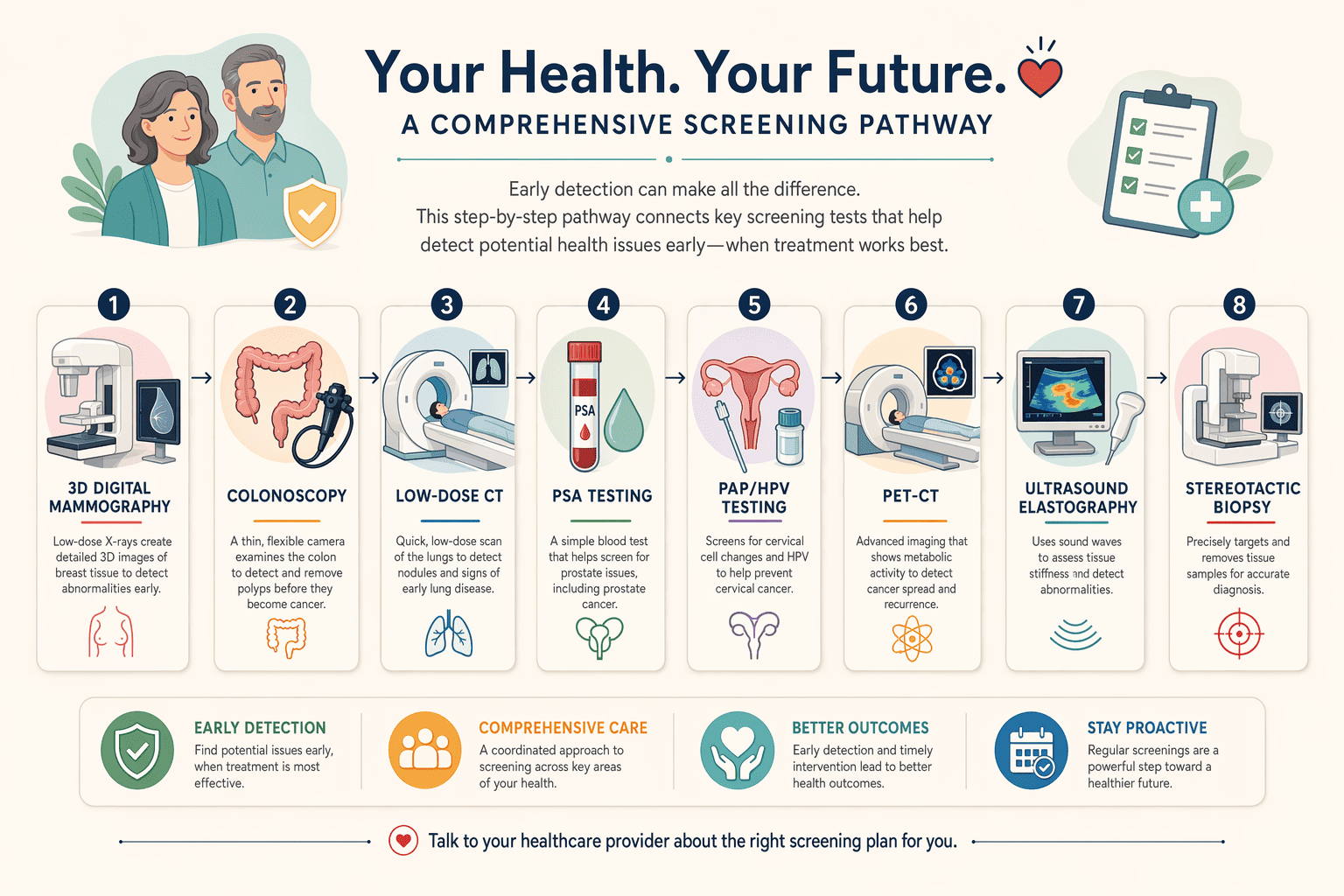
Thorough cancer hospitals integrate screening services that catch malignancies before symptoms emerge. Core modalities include 3D digital mammography (tomosynthesis) for breast cancer, colonoscopy for colorectal screening, low-dose CT for high-risk lung cancer patients, PSA testing for prostate cancer, and Pap smear or HPV testing for cervical cancer. Facilities that offer PET-CT, high-resolution ultrasound with elastography, and stereotactic biopsy systems on-site can complete diagnostic workups without external referrals, reducing delays that compromise outcomes.
When Screening Results Trigger Diagnostic Workup
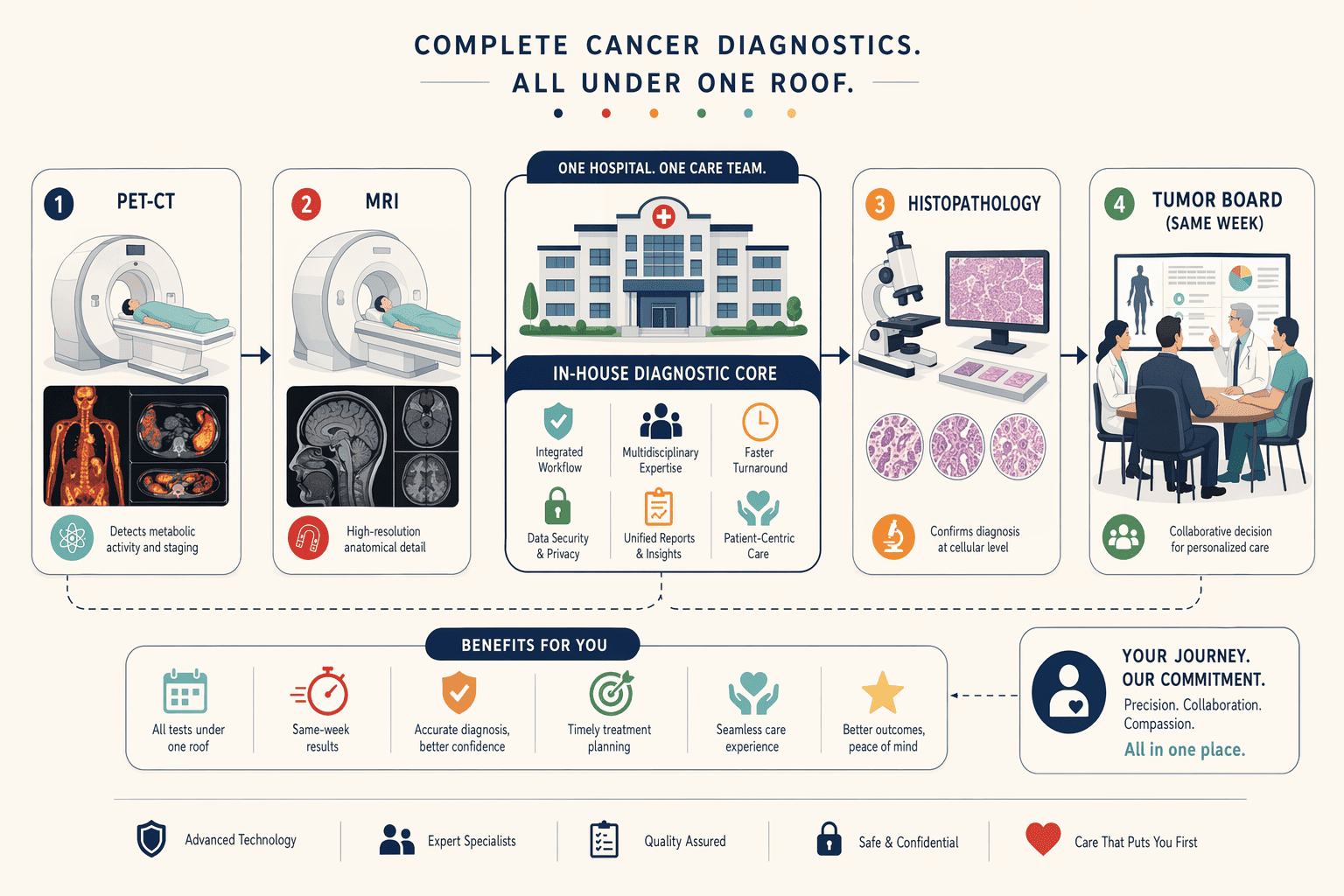
Abnormal screening findings move immediately to diagnostic imaging, PET-CT to assess metabolic activity, MRI for soft-tissue definition, and tissue biopsy for histopathological confirmation. Hospitals that outsource imaging or pathology introduce multi-week gaps; on-site radiology and onco-pathology departments collapse that timeline to days. For prevention and early-detection strategies beyond screening, explore Cancer: How to Prevent It and Find It Early.
Once screening detects abnormalities, accurate diagnosis and staging determine treatment strategy.
Stage 2: Accurate Diagnosis & Staging, Why Multidisciplinary Input Matters
On-Site Diagnostics Vs. Outsourced Testing
Turnaround time for scans and reports varies significantly by whether imaging and pathology are performed in-house or sent to external laboratories. When PET-CT, MRI, and histopathology are coordinated under one roof, multidisciplinary tumor board review can occur within the same week. At Max Institute of Cancer Care, experts in surgical oncology, radiation oncology, and medical oncology consolidate their views through a single diagnostic platform, reducing coordination delays. Andromeda Cancer Hospital reports same-day or next-day PET-CT turnaround and 48 to 72 hour histopathology reports, enabling weekly tumor board discussions. In contrast, outsourcing imaging or pathology introduces 3 to 7 day delays for courier transit and external lab queue times, often pushing critical staging decisions to a second or third clinical visit.
Role of Histopathology and Immunohistochemistry (IHC)
Accurate tumor typing via IHC, receptor status for breast cancer, PD-L1 expression for immunotherapy eligibility, microsatellite instability (MSI) for colon cancer, directly determines which systemic therapies will work. Without IHC, oncologists may default to chemotherapy rather than targeted agents, increasing side effects and cost. Andromeda Cancer Hospital currently outsources IHC testing to a partner laboratory and is establishing an in-house IHC facility, a transparent acknowledgment of evolving diagnostic capabilities. For patients, verifying whether a hospital coordinates IHC results within the weekly tumor board window, rather than operating surgical and medical oncology in separate silos, is key. Advanced molecular imaging techniques, including functional MRI and AI-assisted PET-CT analysis, now complement IHC by mapping tumor biology and treatment response in real time. Learn more about the role of molecular imaging in our article on Nuclear Medicine in Oncology.
Diagnosis and staging data feed into personalized treatment planning through multidisciplinary tumor boards.
Stage 3: Personalized Treatment Planning, the Role of Tumor Boards
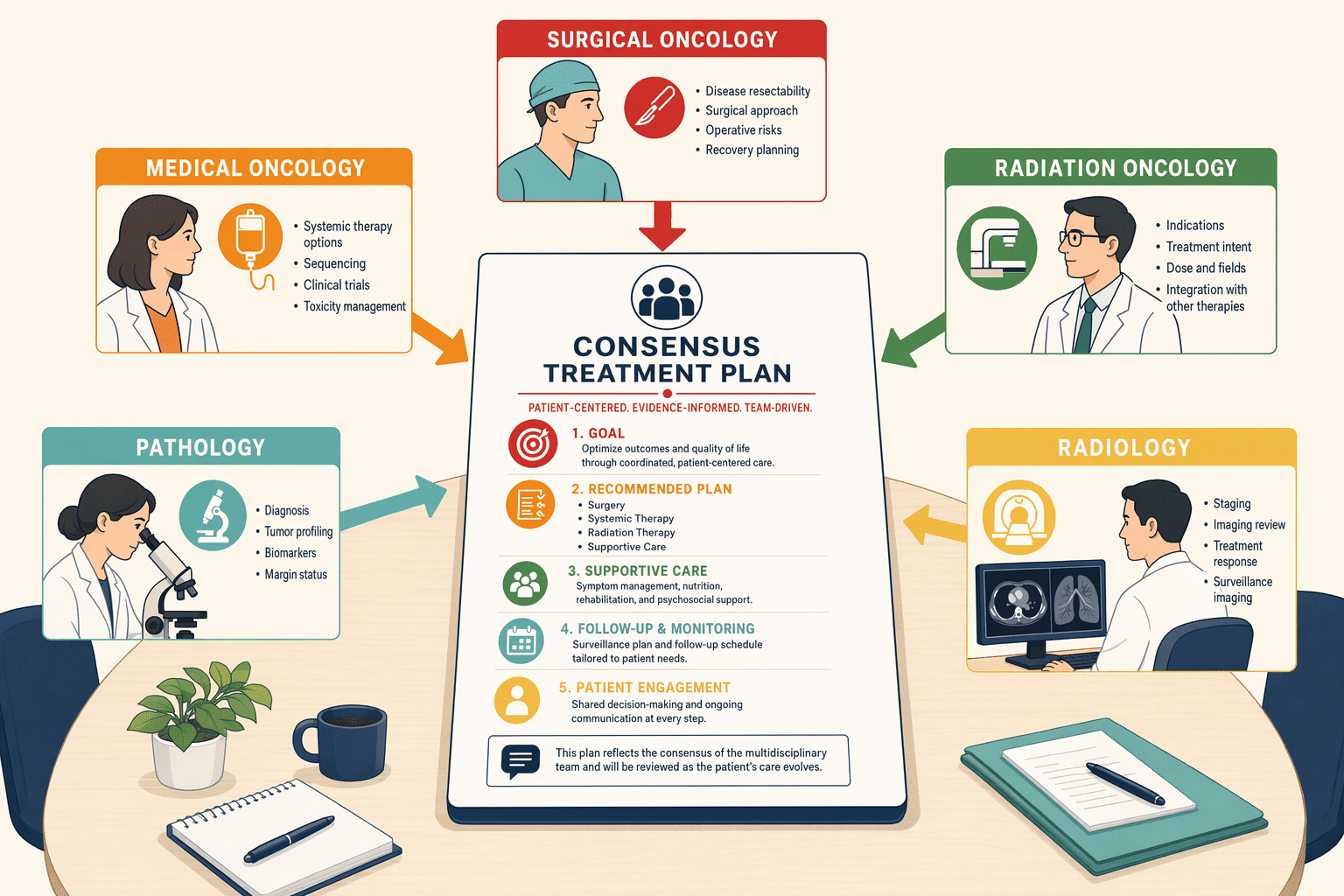
A multidisciplinary tumor board is a scheduled meeting where surgical oncologists, medical oncologists, radiation oncologists, pathologists, and radiologists review each patient's case to develop a consensus treatment plan. Over the past 15 years, this approach has gained prominence in cancer management worldwide. At Andromeda Cancer Hospital, the tumor board convenes twice weekly, ensuring coordinated treatment planning across specialties. The weekly forum brings together surgical oncologists, oncoplastic breast surgeons, medical oncologists, radiation oncologists, radiologists, pathologists, and pain and palliative care specialists.
What Happens During a Tumor Board Consultation
During each tumor board meeting, the team reviews imaging studies, pathology reports, and staging results. Surgical oncologists present the case, radiologists display CT or MRI scans, and pathologists discuss tissue findings. The group debates treatment sequencing, whether surgery should precede chemotherapy, which radiation fields to use, and whether targeted therapies or immunotherapy apply. Not every patient requires every modality; treatment depends on stage, tumor biology, and patient factors. The consensus care plan is documented in the patient's medical record, ensuring all providers follow the same roadmap. Apollo Cancer Centres and similar institutions in India have established such boards to standardize complex cancer care.
Active Tumor Boards Vs. Nominal Tumor Boards
An active tumor board meets weekly, mandates case review, and documents every care plan. A nominal tumor board convenes irregularly, treats review as optional, and produces minimal documentation. Hospitals may employ both surgical and medical oncologists yet keep them in separate departments with minimal cross-consultation, a structure that bypasses the tumor board's purpose. When choosing a hospital, ask: How often does the tumor board meet? Is case review mandatory or discretionary? Is the care plan recorded in writing? Active boards reduce treatment variability and improve outcomes; nominal boards offer little more than the appearance of coordination.
Treatment plans developed in tumor boards move into execution across three core oncology disciplines.
Stage 4: Treatment Delivery, Surgical, Medical, and Radiation Oncology Under One Roof
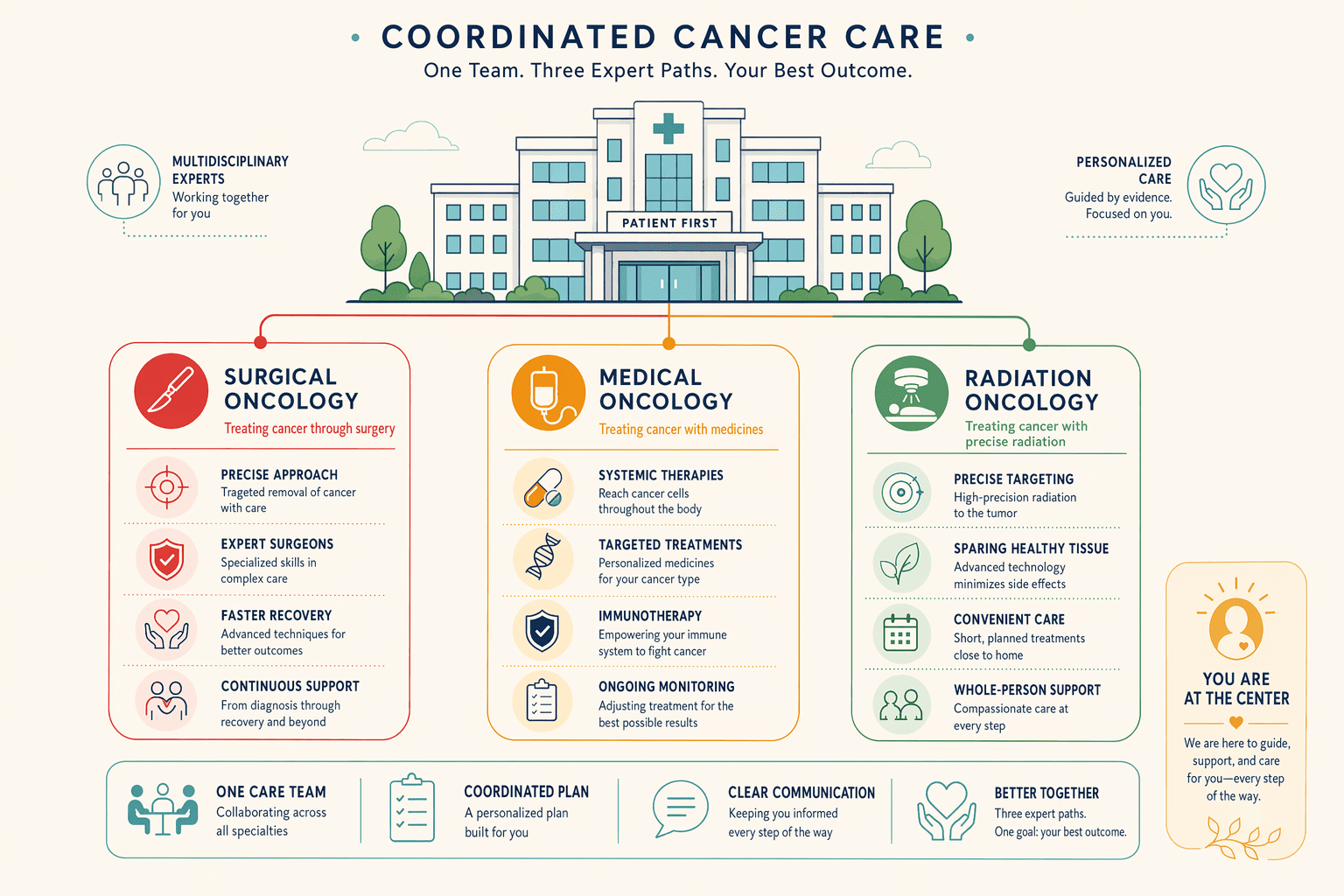
Once diagnosis and staging are complete, treatment begins. Cancer care typically requires input from three core oncology disciplines: surgical oncology (removing tumors or tissue), medical oncology (systemic drug therapies), and radiation oncology (targeted radiation). Physical co-location of these specialties under one roof does not guarantee coordination, but it removes a major logistical barrier: patients and physicians can consult across departments without rescheduling at separate facilities, and treatment plans can be adjusted in real time when new imaging or pathology findings emerge.
Surgical Oncology: When and Why Surgery Is Part of the Plan
Surgical oncology focuses on removing cancerous tissue and, when possible, achieving clear margins (tissue edges free of cancer cells). Surgical oncologists carry out complex surgeries on all types of cancers as per the latest approved international standards and protocols, supported by state-of-the-art operation theatres and post-operative intensive care units. Surgery may serve three roles: curative surgery (removing the entire tumor with margins, aiming for cure), debulking surgery (reducing tumor bulk before chemotherapy or radiation, when complete removal is not feasible), and reconstructive surgery (restoring form and function after tumor removal, such as breast reconstruction after mastectomy). Andromeda Cancer Hospital offers cancer surgery including minimally invasive and robotic techniques when appropriate.
Medical Oncology: Chemotherapy, Targeted Therapy, and Immunotherapy
Medical oncology uses systemic therapies, drugs that travel through the bloodstream to target cancer cells throughout the body. Medical oncology includes chemotherapy, immunotherapy, and hormone therapy, and these treatments may be delivered as neoadjuvant (before surgery to shrink the tumor), adjuvant (after surgery to eliminate residual disease), or palliative (to control symptoms in advanced disease). Chemotherapy uses cytotoxic drugs to kill rapidly dividing cells. Targeted therapy uses drugs that attack specific molecular targets (such as HER2 in breast cancer or EGFR in lung cancer), often with fewer side effects than traditional chemotherapy. Immunotherapy includes checkpoint inhibitors and CAR-T cell therapy, which harness the immune system to recognize and destroy cancer cells. Andromeda's medical oncology department collaborates with surgical and radiation oncologists to tailor treatment plans to each patient's disease biology and stage.
Radiation Oncology: External Beam, Brachytherapy, and IMRT
Radiation oncology delivers targeted radiation to the tumor site, sparing surrounding healthy tissue. External beam radiation therapy (EBRT) uses a machine outside the body to deliver radiation in daily fractions over several weeks. Intensity-modulated radiation therapy (IMRT) and volumetric modulated arc therapy (VMAT) shape the radiation dose to the tumor's 3D contour, minimizing exposure to adjacent organs. Brachytherapy involves placing radioactive sources inside or next to the tumor, delivering a high dose to a small area. Radiation is used in curative settings (definitive treatment for early-stage cancers), adjuvant settings (post-surgery to reduce recurrence risk), and palliative settings (to relieve pain or bleeding from advanced tumors). On-site radiation reduces scheduling delays: patients do not need to travel to a separate facility between chemotherapy cycles and radiation sessions. However, infrastructure matters. Less than 50% of tertiary hospitals in India offer key services like brachytherapy, safe chemotherapy preparation, or daycare beds, highlighting that same-roof presence is necessary but not sufficient without the supporting equipment and safety protocols. Andromeda Cancer Hospital's radiation therapy program includes image-guided radiotherapy, stereotactic radiation, and respiratory gating.
The table below compares treatment delivery capabilities across four hospitals in the Delhi-NCR region:
| Hospital | Surgical Oncology | Medical Oncology | Radiation Oncology | Treatment Technologies |
|---|---|---|---|---|
| Andromeda Cancer Hospital | Yes, including minimally invasive and robotic surgery | Yes, chemotherapy, targeted therapy, immunotherapy | Yes, IMRT, VMAT, SBRT, brachytherapy, respiratory gating | Image-guided radiotherapy, TrueBeam STx, chemo-daycare |
| Apollo Cancer Centres | Yes, thorough surgical oncology | Yes, systemic therapies and precision oncology | Yes, advanced radiation technologies | Robotic surgery, PET-CT, advanced imaging |
| Max Super Speciality Hospital | Yes, surgical oncology across multiple sites | Yes, medical oncology with daycare facilities | Yes, radiation oncology available | Multi-specialty support, advanced diagnostics |
| Medanta - The Medicity | Yes, complex oncological surgeries | Yes, thorough medical oncology | Yes, radiation oncology with modern equipment | Integrated care model, advanced imaging and pathology |
Physical co-location of surgical, medical, and radiation oncology specialists allows real-time consultation when treatment plans need adjustment, such as when a patient's post-surgical pathology reveals higher-grade disease than expected, prompting immediate discussion of adjuvant chemotherapy. The tumor board (discussed in Stage 3) ensures that coordination actually happens, because same-roof presence alone does not guarantee multidisciplinary discussion.
While curative treatment targets the tumor, supportive care addresses the person behind the diagnosis.
Stage 5: Supportive & Palliative Care, Managing Side Effects and Quality of Life
What Palliative Care Offers During Active Treatment
Palliative care is often misunderstood as end-of-life care, but in reality it is supportive care that can, and should, begin from the moment of diagnosis. This stage focuses on managing symptoms that arise during active treatment: pain, nausea, fatigue, and treatment-related complications. Specialist teams work alongside oncologists to provide pain management, nutritional counseling, psychosocial support, and interventions that reduce suffering throughout the treatment journey.
Effective supportive care improves treatment adherence and outcomes. When symptoms are controlled, patients tolerate chemotherapy or radiation better, experience fewer dose reductions, and maintain functional independence longer. Thorough cancer hospitals integrate palliative care specialists into tumor boards, not as a separate siloed department, but as part of the core multidisciplinary team from day one.
Palliative Care Vs. Hospice Care
The critical distinction: palliative care is delivered alongside curative treatment, while hospice care is reserved for patients who are no longer pursuing curative options. Hospice focuses on comfort and quality of life at the end of life, typically when a patient has months or weeks remaining. Palliative care, by contrast, is appropriate at any stage, early-stage, mid-treatment, advanced disease, whenever symptom control or psychosocial support is needed. Receiving palliative care does not mean giving up on treatment; it means adding another layer of expert support to manage the challenges cancer and its treatment bring.
Cancer care extends beyond the final chemotherapy infusion or radiation session into structured survivorship.
Stage 6: Follow-Up Care & Survivorship, Long-Term Monitoring and Recurrence Prevention
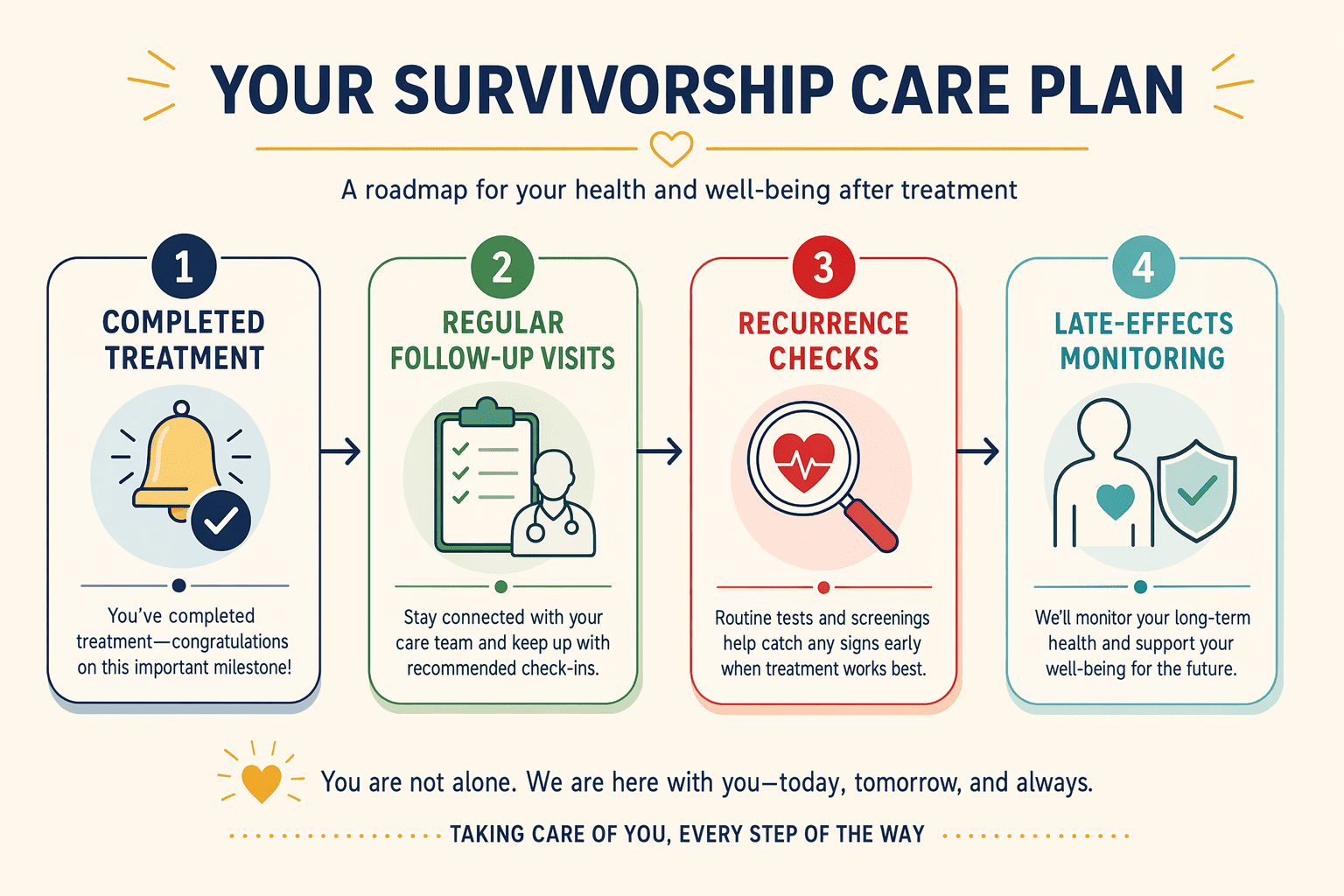
Survivorship care begins the moment active treatment ends. Thorough cancer hospitals that deliver diagnosis-to-survivorship continuity recognize that the journey doesn't stop at remission, long-term monitoring, late effects management, and psychosocial support are key to sustained recovery.
Survivorship Care Planning: What It Includes
A survivorship care plan is a structured document that bridges the gap between treatment and long-term wellness. It summarizes the cancer type, stage, and all treatments received, surgery, chemotherapy regimens, radiation doses, so future providers understand what the patient has been through. The plan outlines a follow-up schedule tailored to recurrence risk, recommends surveillance imaging and blood tests, identifies potential late effects to monitor, and includes lifestyle guidance on diet, exercise, and managing treatment-related symptoms. Hospitals offering thorough survivorship programs often coordinate this planning through nurse navigators or dedicated survivorship clinics, ensuring patients leave active treatment with a clear roadmap rather than uncertainty.
Follow-Up Schedules and Recurrence Monitoring
Follow-up visits are typically scheduled every 3 months for the first 2 years, then every 6 months for the next 3 years, and then annually. During these visits, oncologists perform physical exams, review symptom checklists, and order surveillance imaging, mammography for breast cancer, CT scans for lung cancer, tumor markers when clinically indicated. Andromeda Cancer Hospital offers monitoring and follow-up imaging services as part of its integrated oncology model. The goal is early detection of recurrence, when treatment options are broader and outcomes better. Hospitals in North India that provide structured follow-up care distinguish themselves by coordinating imaging, laboratory testing, and specialist consultations under one roof, reducing the burden on patients navigating multiple facilities.
Late Effects Management and Psychosocial Support
Late effects, long-term or delayed complications of cancer treatment, require proactive management. Anthracyclines like doxorubicin can cause cardiac toxicity, platinum-based chemotherapy (cisplatin, oxaliplatin) may lead to persistent neuropathy, and radiation therapy carries a risk of secondary cancers. Survivorship programs screen for these effects through periodic echocardiograms, nerve conduction studies, and bone density assessments. Andromeda Cancer Hospital addresses bone health in breast cancer survivors, recognizing that aromatase inhibitors and ovarian suppression therapies accelerate bone loss. Psychosocial support, counseling for anxiety about recurrence, depression, sexual health concerns, and fertility issues, is equally critical. Survivorship clinics often include access to mental health professionals, support groups, and rehabilitation services, ensuring that quality of life remains a priority long after the last chemotherapy infusion.
How to Choose a Cancer Hospital That Covers All Treatment Stages
Selecting a cancer hospital that delivers coordinated care from diagnosis through survivorship requires looking beyond the list of available specialists. Many institutions advertise "multidisciplinary oncology" yet operate surgical, medical, and radiation oncology in separate departments with minimal cross-consultation. Physical co-location, having these specialists somewhere within the same hospital network, differs fundamentally from operational integration. The framework below provides concrete questions and verification steps to distinguish hospitals that truly coordinate all treatment stages under one care plan.
Questions to Ask About Tumor Board Frequency and Documentation
A hospital's tumor board is the operational backbone of multidisciplinary care. When evaluating a facility, ask these questions:
- How often does the tumor board meet, weekly, biweekly, or on-demand?
- Is tumor board review mandatory for every newly diagnosed cancer case, or is it optional at the patient's or physician's discretion?
- Is the care plan from the tumor board documented in the patient's medical record and shared with all treating specialists?
- Are surgical oncologists, medical oncologists, and radiation oncologists all employed by the hospital, or are some visiting consultants who may not attend every board session?
- Does the board include pathologists, radiologists, and palliative care specialists, or is review limited to treatment-focused oncologists only?
Hospitals with high-frequency, mandatory tumor board review, such as Andromeda Cancer Hospital, which convenes multidisciplinary tumor board meetings twice weekly, ensure that every patient's case receives input from surgical oncologists, medical oncologists, radiation oncologists, radiologists, pathologists, and pain and palliative care specialists before the treatment plan is finalized. For a detailed discussion of why both surgical and medical oncology under one roof matters, see Is There a Cancer Hospital with Both Surgical and Medical Oncology Under One Roof?.
Verifying On-Site Diagnostics and Treatment Technologies
Outsourced diagnostics introduce delays and fragmentation. To verify on-site capabilities:
- Request a hospital tour to see the radiation oncology suite, pathology lab, and imaging department in person.
- Ask about turnaround times for PET-CT scan reports, histopathology results, and immunohistochemistry panels. Same-day or next-day reporting typically indicates on-site processing.
- Confirm whether the hospital offers brachytherapy, intensity-modulated radiation therapy (IMRT), and immunotherapy on-site, or whether patients must travel to partner facilities.
- Ask if palliative care is integrated into the treatment plan from the start, not deferred until curative options are exhausted.
Hospitals that process diagnostics on-site and coordinate palliative care from diagnosis onward reduce patient travel burden and ensure timely adjustments to treatment. If you are a Central Government Health Scheme (CGHS) beneficiary, confirm that oncology services appear on the hospital's empanelment certificate; some hospitals are empanelled for general care only.
Evaluating Survivorship and Follow-Up Programs
Survivorship care extends beyond the final chemotherapy cycle or radiation session. When assessing a hospital's follow-up program, ask:
- Does the hospital provide a written survivorship care plan that outlines long-term monitoring schedules, late-effect screening, and specialist referrals?
- Are follow-up appointments coordinated across surgical oncology, medical oncology, and supportive care, or does each specialist manage follow-up independently?
- Is there a dedicated survivorship clinic or navigator who helps patients transition from active treatment to routine surveillance?
Hospitals with structured survivorship programs document follow-up schedules in the patient's medical record and coordinate late-effect screening across specialties. Andromeda Cancer Hospital evaluates every patient in a multidisciplinary tumor board, ensuring that treatment plans, including survivorship care, reflect current guidelines and collective expertise rather than a single specialist's perspective. This operational integration distinguishes facilities that coordinate all treatment stages from those that simply list oncology specialties on their website.
Conclusion
Hospitals with active tumor boards, weekly meetings, mandatory case review, documented care plans, deliver more coordinated care than those with nominal boards that meet irregularly. On-site diagnostics (PET-CT, histopathology, IHC) reduce turnaround time and improve coordination versus outsourced testing, so verify whether imaging and pathology are truly in-house.
As cancer treatment becomes more personalized, with targeted therapies, immunotherapy, and genomic profiling, the role of multidisciplinary tumor boards will expand to include molecular tumor boards and real-time treatment adjustments based on liquid biopsy results.
Use the 8-question checklist from section 8 to evaluate cancer hospitals, or schedule a https://www.andromedahospital.in/support/contact to discuss your multidisciplinary care options.
Frequently Asked Questions
What is a multidisciplinary tumor board and why does it matter?
A multidisciplinary tumor board is a scheduled meeting where surgical oncologists, medical oncologists, radiation oncologists, pathologists, and radiologists review each patient's case to develop a consensus treatment plan. Active tumor boards (weekly, mandatory, documented) improve outcomes and reduce treatment variability versus nominal boards that meet irregularly or optionally.
How do I verify that a cancer hospital has on-site diagnostics?
Ask whether PET-CT, histopathology, and IHC testing are performed in-house or outsourced. Turnaround time for scans and reports varies significantly depending on whether imaging and pathology are in-house or sent to external laboratories. Request a hospital tour to see the imaging suite and pathology lab firsthand.
What is survivorship care planning and which hospitals offer it?
Survivorship care planning is a structured program that includes a treatment summary, follow-up schedule, late effects screening, and lifestyle recommendations. It bridges the gap between treatment and long-term wellness. Fewer than half of cancer hospitals in India offer structured survivorship programs, so verify availability during hospital evaluation.
Do all cancer patients need surgery, chemotherapy, and radiation?
Not every patient requires every treatment modality, treatment depends on stage, tumor biology, and patient factors. During tumor board meetings, the multidisciplinary team reviews imaging, pathology, and staging results to determine the optimal treatment sequence for each individual patient based on evidence and clinical input.
What is the difference between palliative care and hospice care?
Palliative care is supportive care focused on symptom management and quality of life, appropriate at any cancer stage including during curative treatment. Hospice is reserved for end-of-life care when curative treatment is no longer pursued, typically when a patient has months or weeks remaining.
How often should I have follow-up appointments after cancer treatment?
Follow-up visits are typically scheduled every 3 months for the first 2 years, then every 6 months for the next 3 years, and annually thereafter. During visits, oncologists perform physical exams, review symptoms, and order surveillance imaging and blood tests to monitor for recurrence.
Which cancer hospitals in India are CGHS-empanelled for oncology services?
CGHS empanelment allows government employees to access cancer care at approved rates. Twenty-seven hospitals are CGHS-recognised for cancer treatment. For a complete list and evaluation criteria, refer to hospitals that accept CGHS and offer thorough oncology services with multidisciplinary coordination.